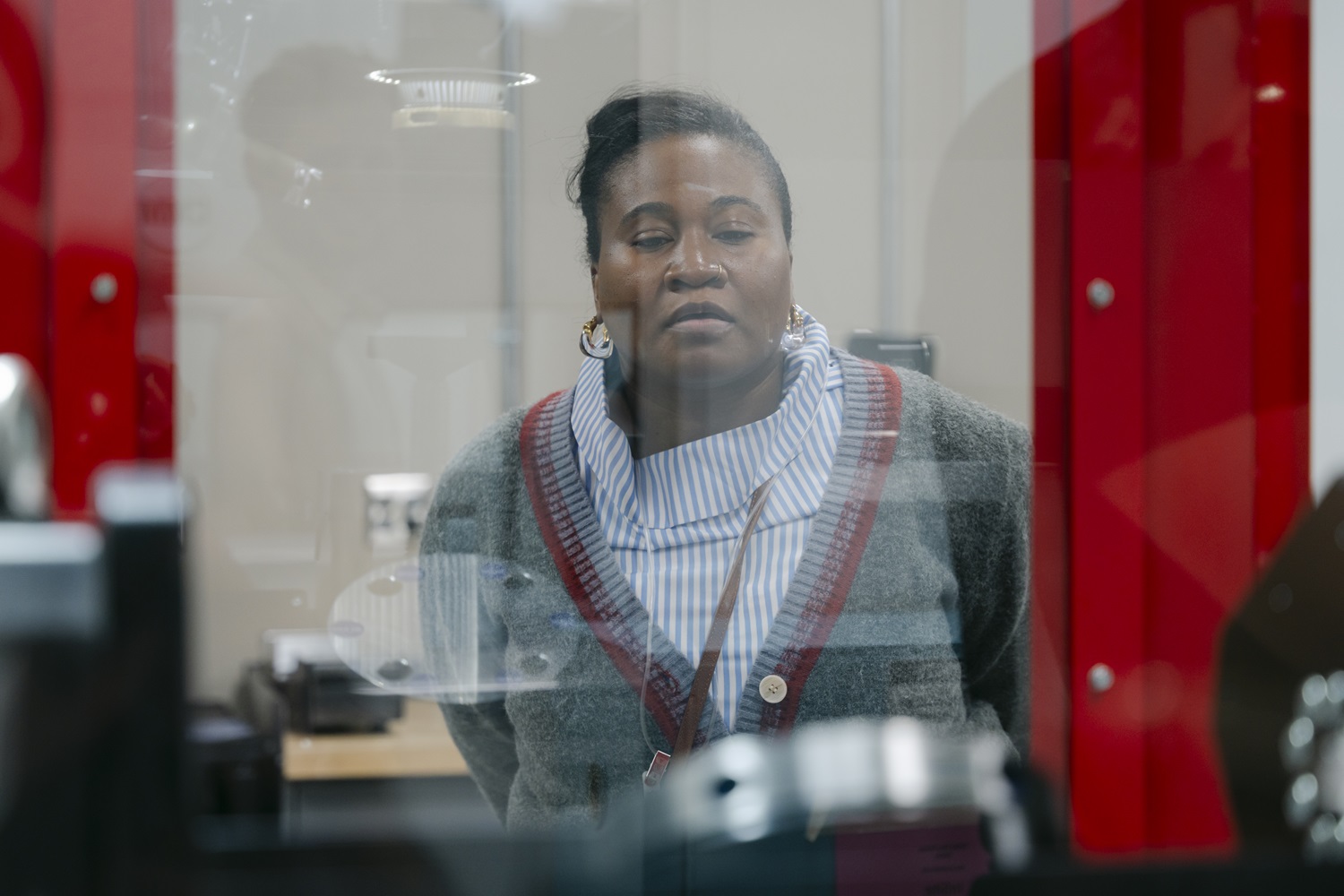

AIKEN, S.C. – Eighteen educators from seven surrounding counties recently visited the Savannah River Site’s (SRS) Machining Training Center (MTC) to learn about the Savannah River Plutonium Processing Facility (SRPPF) and other critical mission scopes that support the National Nuclear Security Administration (NNSA).
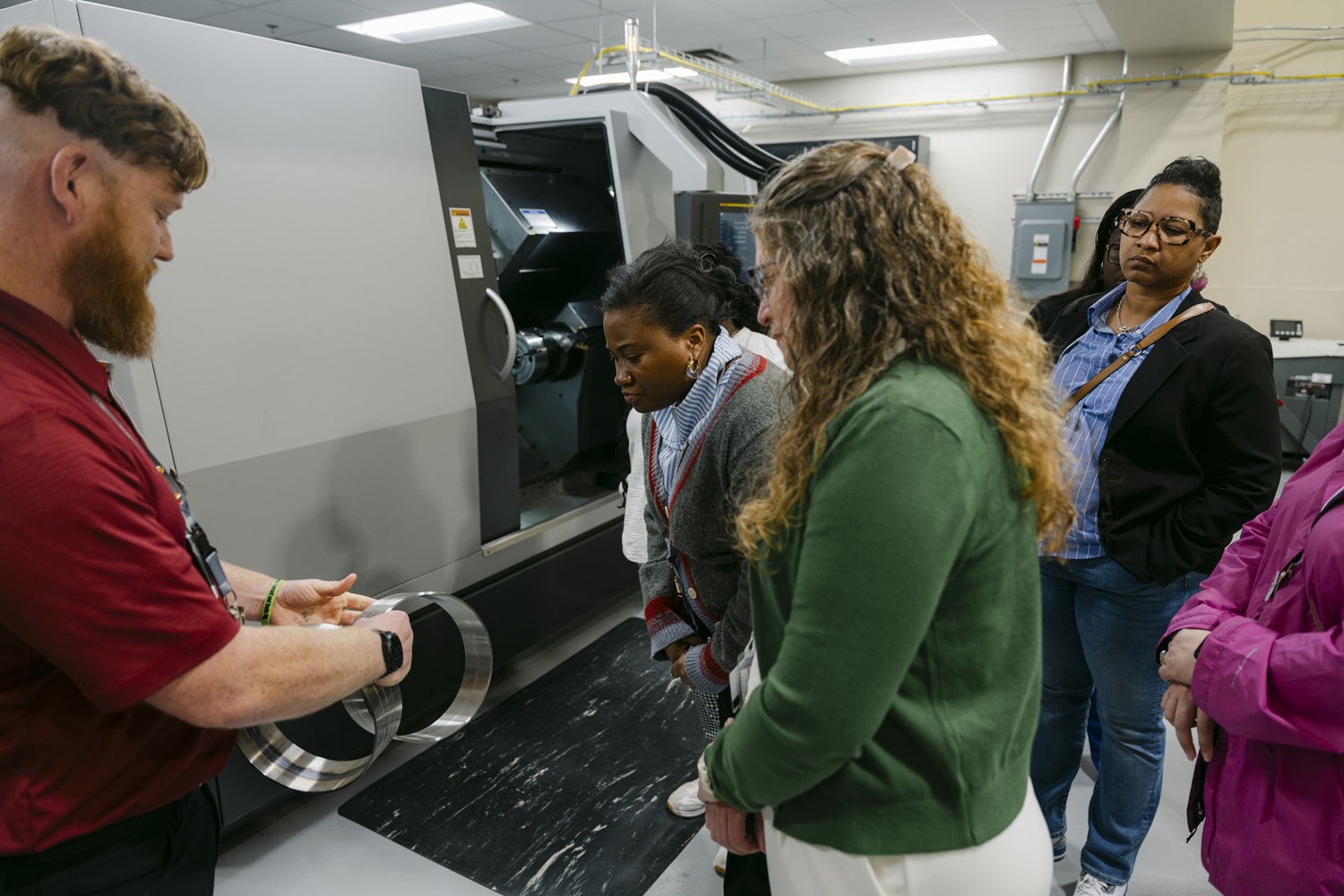
Kim Mitchell, Savannah River Nuclear Solutions (SRNS) Education Outreach Lead, highlighted the importance of partnerships with local educators, especially as SRS aims to hire 9,000 additional employees over the next five years to support mission-related projects.
“Providing these opportunities ensures educators are aware of our workforce needs, career paths and critical mission scopes while fostering a pipeline of well-trained graduates ready to enter our workforce,” said Mitchell. “This tour showcased cutting-edge technology and the training provided at the MTC, including walk-throughs of the high bays and various equipment.”
The newly-constructed MTC addresses a critical training need for SRPPF, which supports the U.S. nuclear stockpile by producing plutonium pits—key components in nuclear weapons—at the quantities needed to meet military requirements using a two-site strategy with Los Alamos National Laboratory in New Mexico. MTC operators develop the necessary skills for proficient machining and welding operations in an unclassified, non-nuclear setting, which helps speed up the time required to achieve proficiency.
Ross Montgomery, SRPPF Deputy Facility Manager, highlighted the benefits of the MTC. “The MTC provides an opportunity to train and evaluate personnel in the use of equipment, procedures, software systems, maintenance, configuration control, manufacturing reviews, and operations. These skills are essential for the success of SRPPF’s safe and timely operations, and we are excited to tour educators who can share these opportunities with hundreds of students each year.”
Attendees learned about the in-demand skills SRS is seeking, including a strong foundation in STEM (science, technology, engineering and math) disciplines, and the training approach for new hires supporting SRPPF.
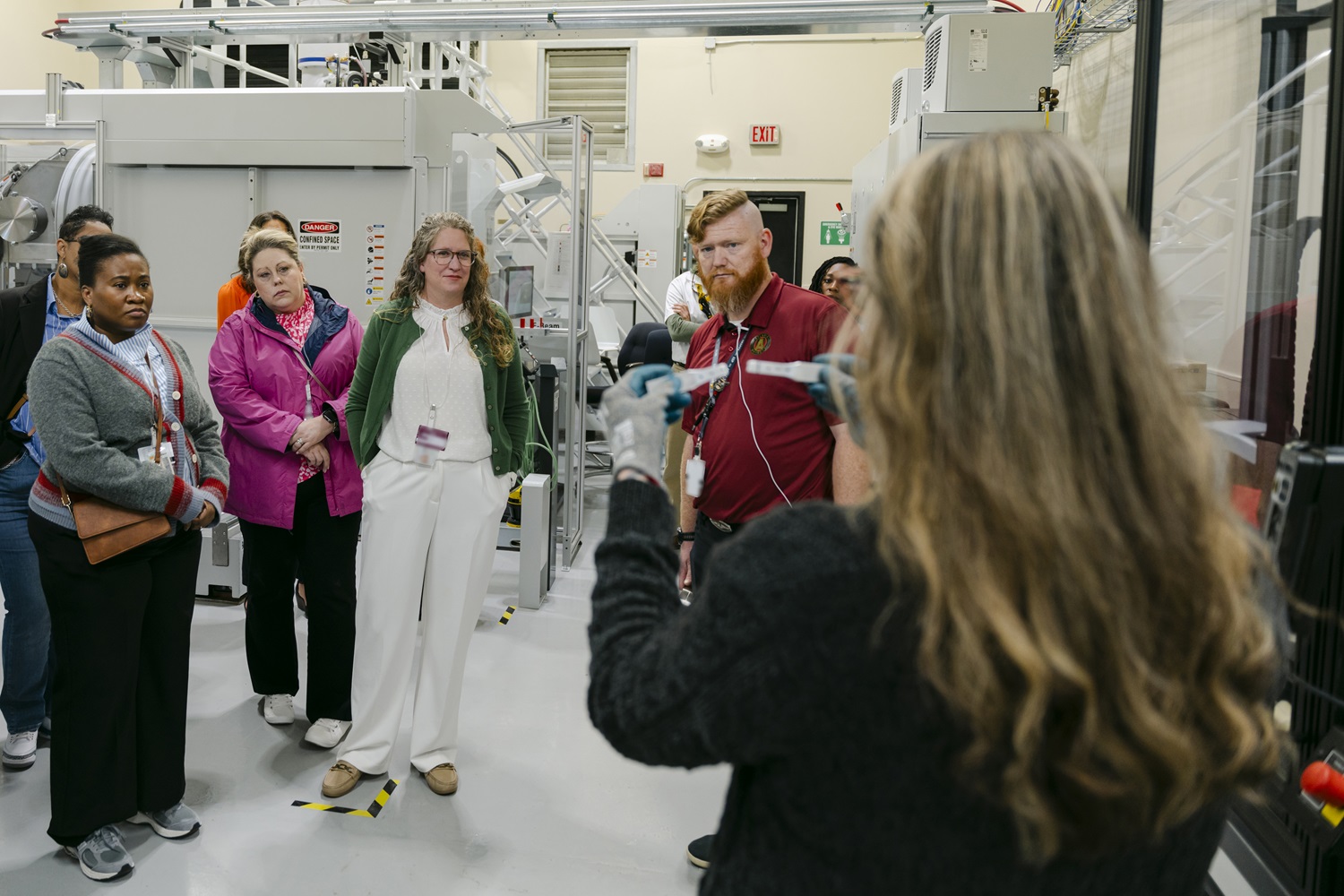
“We call it the ‘crawl, walk, and run approach’,” said Andrew Walczak, MTC Operations Manager. “This training strategy allows specialists to get their feet wet in a non-radioactive environment where errors are more manageable and safer.”
Upon graduating from the MTC, specialists will transition into the High-Fidelity Training and Operations Center (HFTOC), where they will learn to navigate physical restrictions and gain experience with simulated radiological controls and errors. Finally, fully-qualified operators will move to the SRPPF Main Process Building, where they will handle the product in its final form, governed by controls and restrictions.
“Our specialists will learn the process and controls in a graded approach prior to reaching that final ‘run’ stage,” Walczak continued. “They will be fully prepared to operate the equipment in a compliant and safe manner, ensuring the successful delivery of our most critical mission objectives.”
Tonya Bryant, Head of South Aiken Baptist Christian School, was impressed by this strategy. “My first impression is that the SRPPF project represents a ‘new chapter’ of the SRS story. The training facility’s hands-on learning approach will be beneficial for my students because, as time goes on, they will have managers who are fully trained from the ground up. I also find it beneficial that new hires at SRS will be completely trained on the job; this is a huge advantage that I can share with prospective students.”
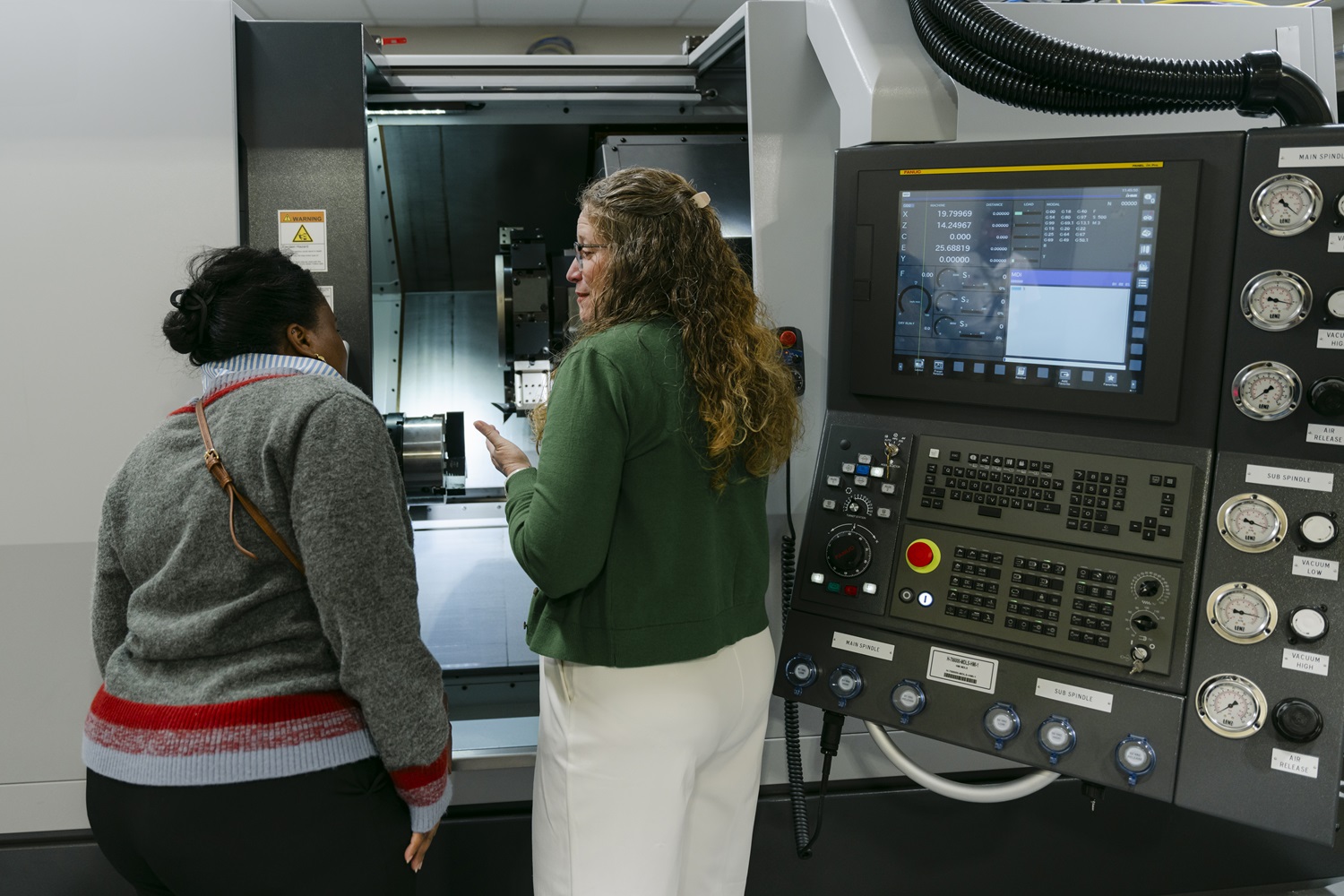
Mary Beth Avent, Principal and Guidance Adviser at Town Creek Christian Academy, echoed this sentiment. “The new MTC is truly impressive. The three-phase training strategy is brilliantly designed, and having the first trainees become the first trainers is a logical and effective approach. The emphasis on teamwork and collaborative learning to establish the right procedures is exactly what we, as educators, highly value.”
Attendees also gained a new perspective on SRS’s rich history and insight into past, present and future missions during a Site driving tour. “I was particularly impressed with two aspects of the driving tour. In terms of the environment, the Site’s ongoing mission to clean up nuclear waste prioritizes the safety of workers and the community while supporting national interests,” Avent noted. “SRS also continues to safeguard nuclear materials from falling into the hands of non-friendly forces, which was a recurring theme throughout my visit.”
The visit concluded with educators gaining a thorough understanding of the wide range of career opportunities for new graduates, including positions in engineering, project management, environmental science, safety and health, and information technology.
“For students interested in pursuing careers in nuclear industry, I advise focusing on a strong foundation in STEM disciplines, staying informed about the latest developments in nuclear technology and policy, gaining practical experience through internships, and building a network of professional contacts in the industry,” concluded Mitchell. “Additionally, developing a commitment to safety, security and regulatory compliance is essential for success at SRS. Each educator will take this information back to the classroom to inspire students to explore what we have to offer.”
Savannah River Nuclear Solutions, a Fluor and HII partnership company, is responsible for the management and operations of the Department of Energy’s Savannah River Site, located near Aiken, South Carolina.
Established by Congress in 2000, NNSA is a semi-autonomous agency within the U.S. Department of Energy responsible for enhancing national security through the military application of nuclear science. NNSA maintains and enhances the safety, security, and effectiveness of the U.S. nuclear weapons stockpile; works to reduce the global danger from weapons of mass destruction; provides the U.S. Navy with safe and militarily effective nuclear propulsion; and responds to nuclear and radiological emergencies in the U.S. and abroad.
SRNS-2025-1607