


About SRS
Our Mission & Vision
SRS’s mission is to safely and efficiently operate SRS to protect the public health and the environment while supporting the nation’s nuclear deterrent and the transformation of the Site for future use.
SRS is recognized as a long-term national asset in the areas of environmental stewardship, innovative technology, national security and energy independence, which acts with an inspired workforce and mature, efficient management processes, while sustaining public confidence in our people and capabilities.
Our Values
As we implement our mission and vision, we hold the following values as core to our way of doing business.
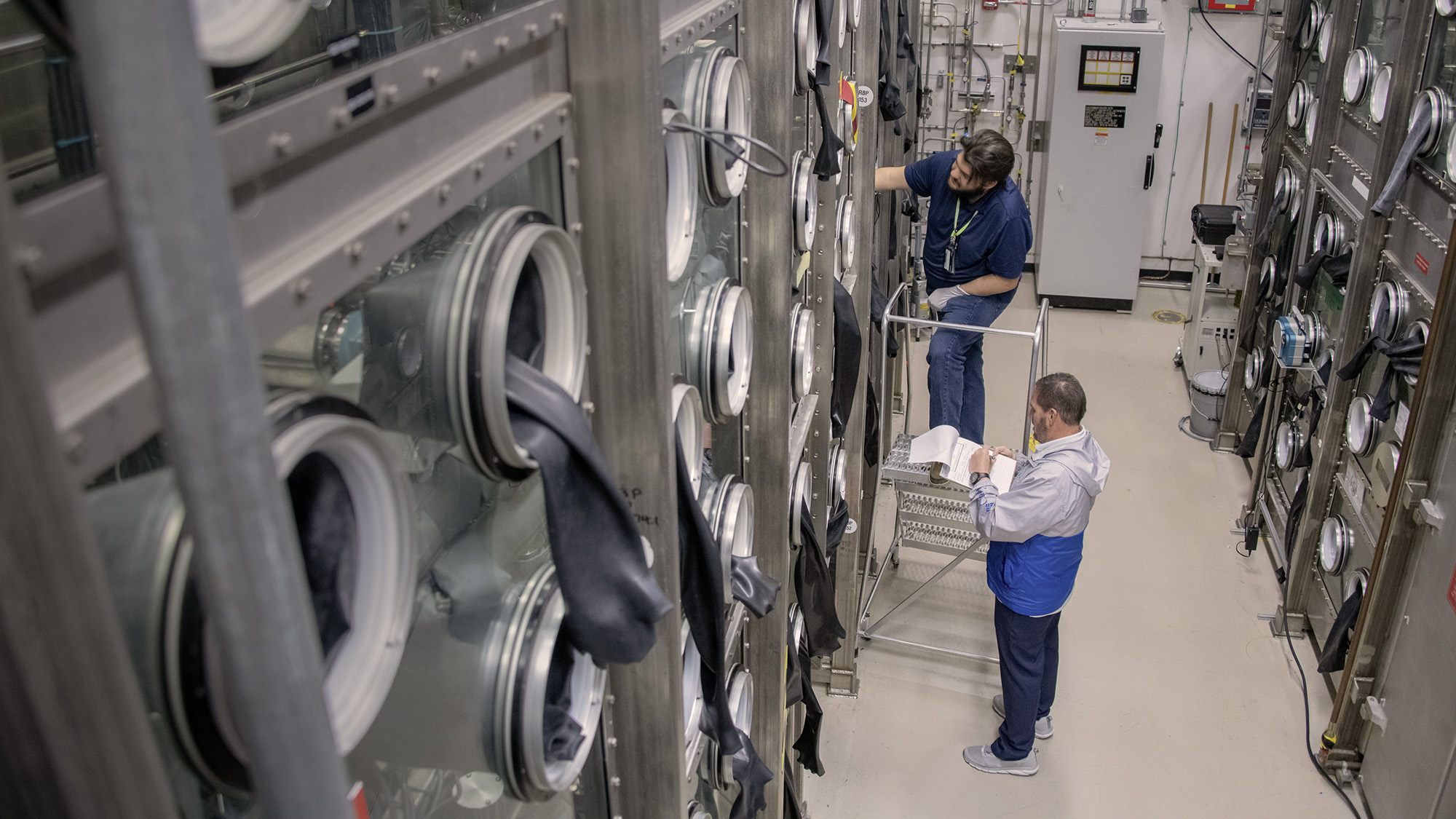
Safe and effective operations
We conduct our business safely and effectively.
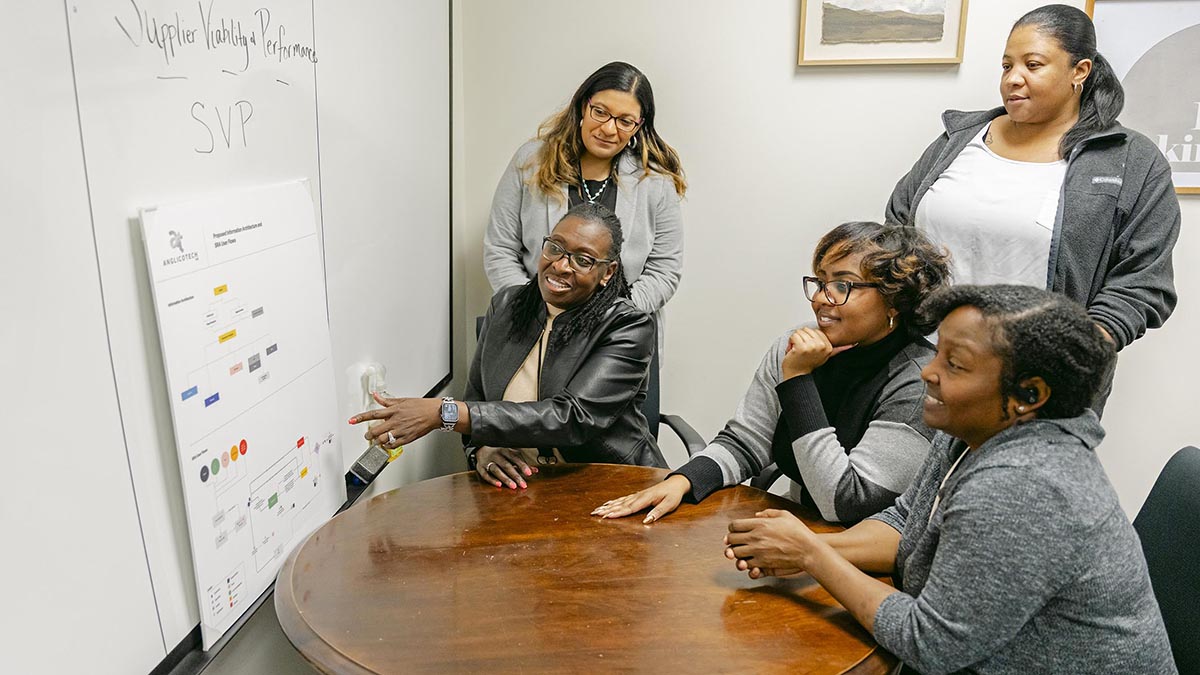
Efficient operations
We are committed to improving the Site, by perfecting business practices and achieving operational excellence.
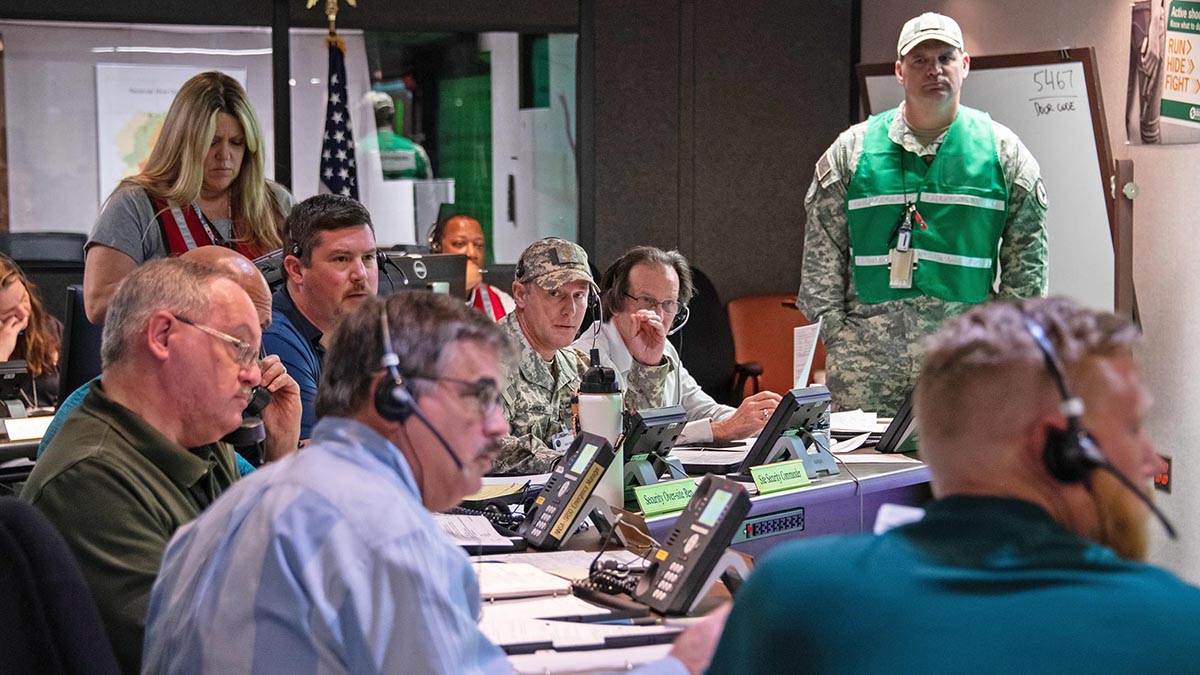
Good relations with stakeholders
We contribute to good relations with internal and external customers.
Integrity
We believe in a transparent process and adhere to company principles.
Visit Us
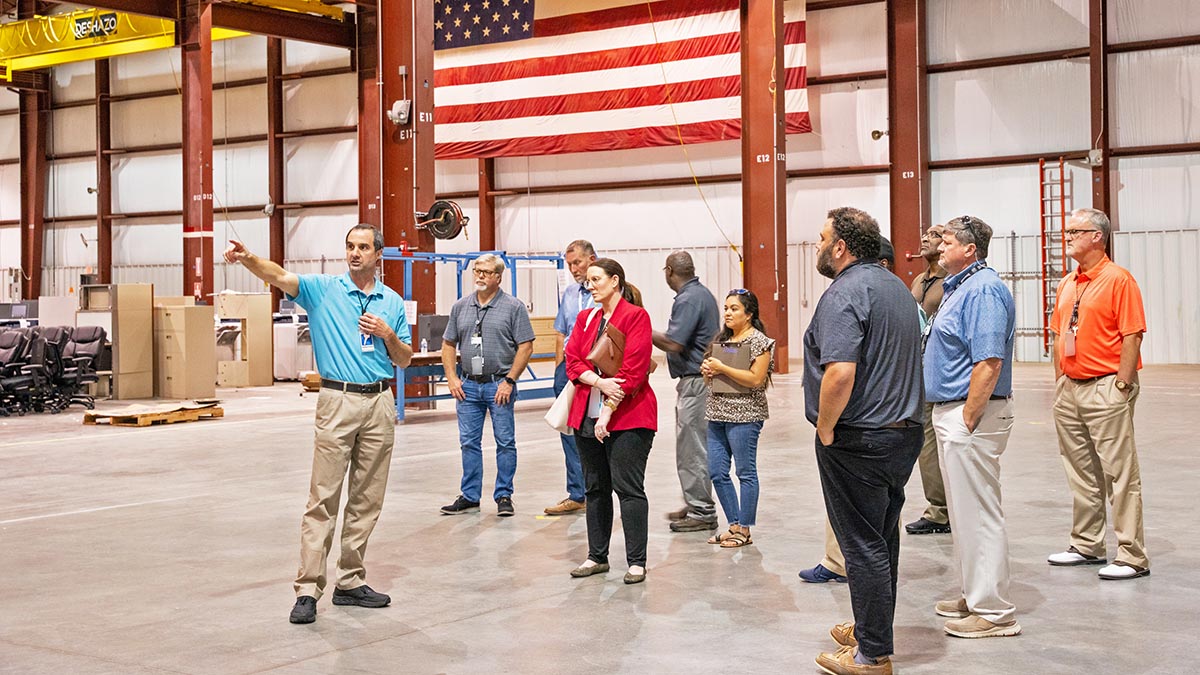
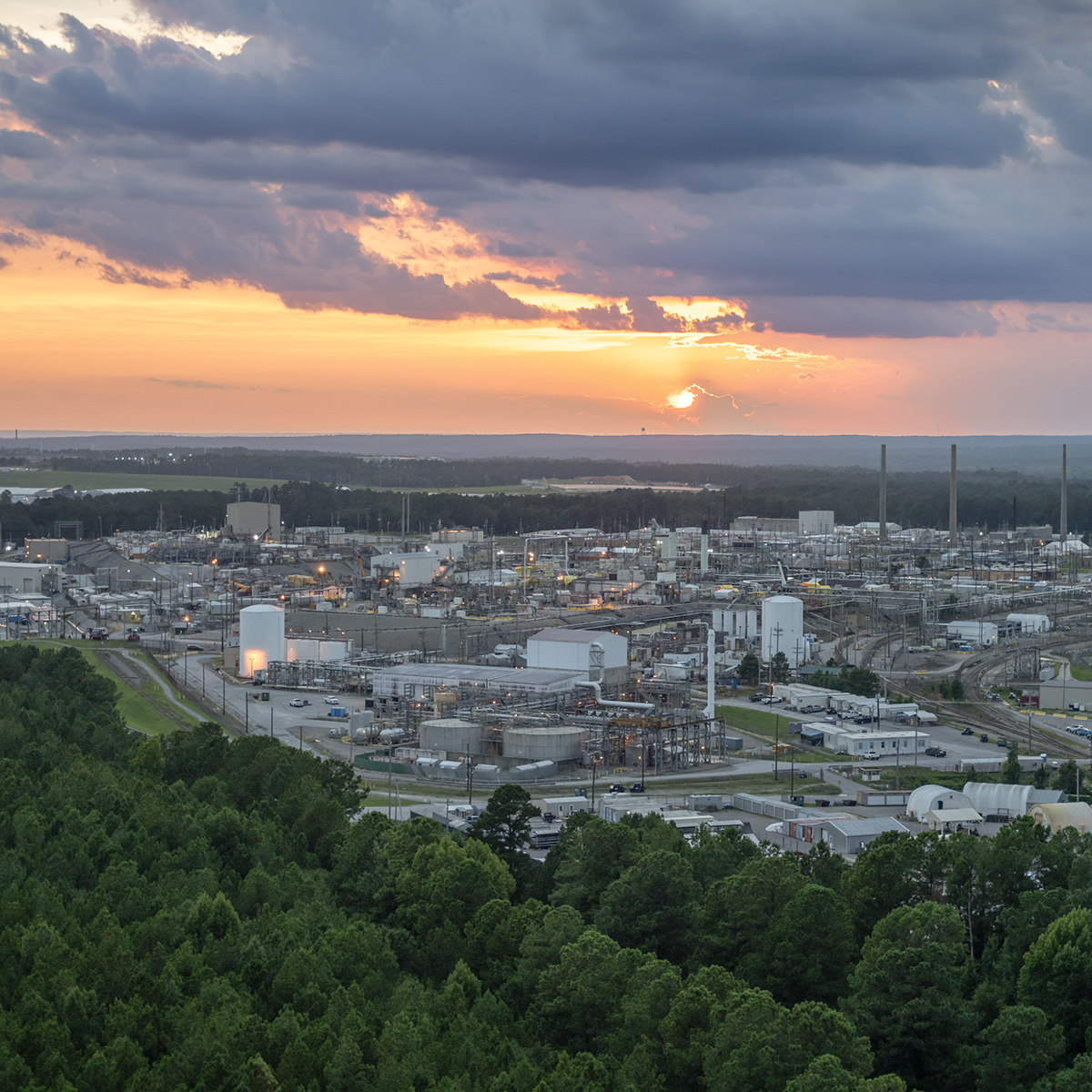
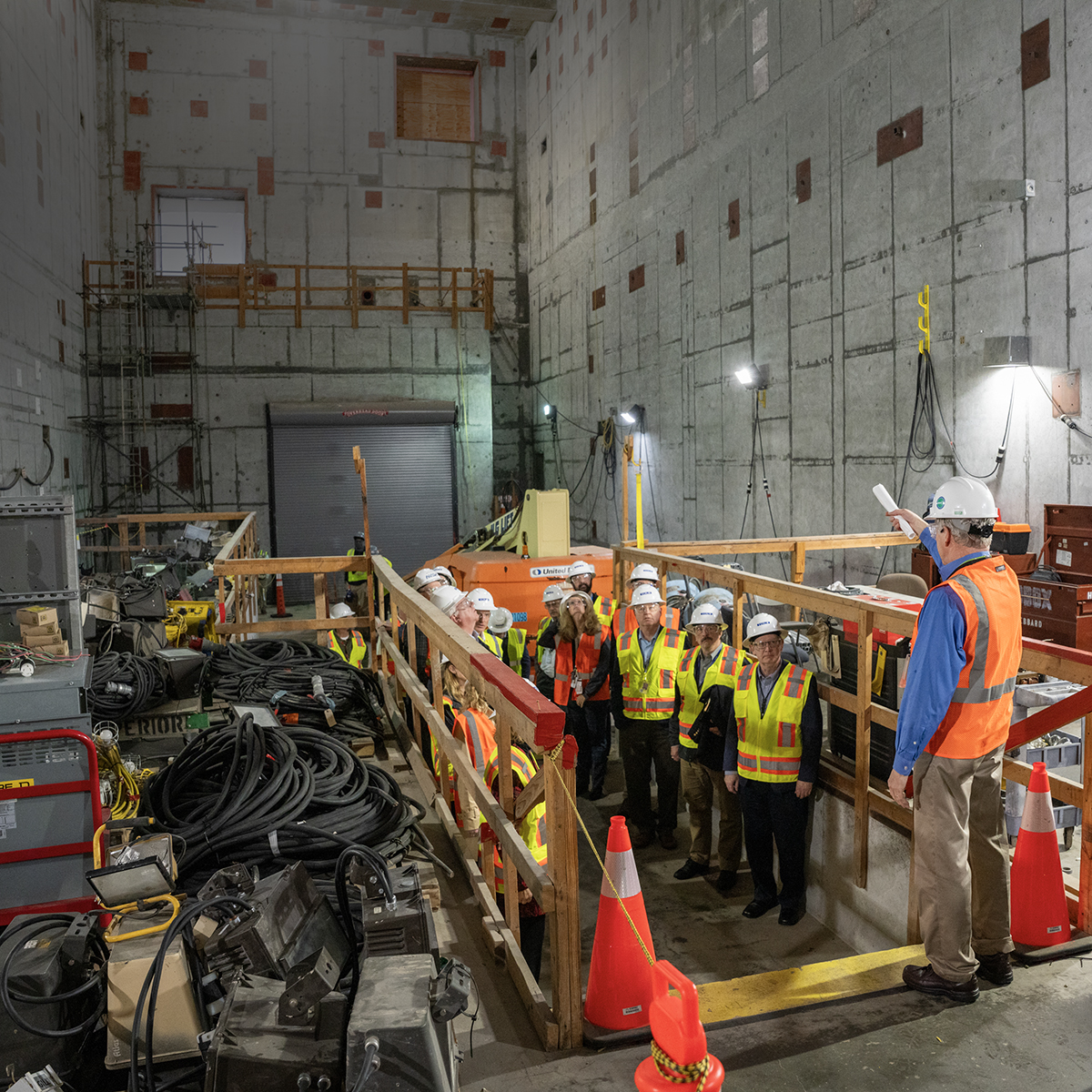
Site tours provide an opportunity for those interested in SRS to better understand the Department of Energy’s facilities, missions, and workforce that changed the face of Aiken, Barnwell and Allendale Counties, nearby cities and helped win the Cold War.
Guests will also learn about facilities supporting current and future missions of the Savannah River Site for both Environmental Management and the National Nuclear Security Administration.
Where We Have Been
The Savannah River Site was constructed during the early 1950s to produce the basic materials used in the fabrication of nuclear weapons, primarily tritium and plutonium-239, in support of our nation’s defense programs. Five reactors were built to produce these materials. Also built were a number of support facilities including two chemical separations plants, a heavy water extraction plant, a nuclear fuel and target fabrication facility, a tritium extraction facility and waste management facilities.
1950
- President Truman announces that the United States will accelerate the atomic energy program.
- Curtis Nelson, Atomic Energy Commission (AEC), and Robert K. Mason, DuPont, are selected as managers for a yet-to-be-determined plutonium and tritium production plant.
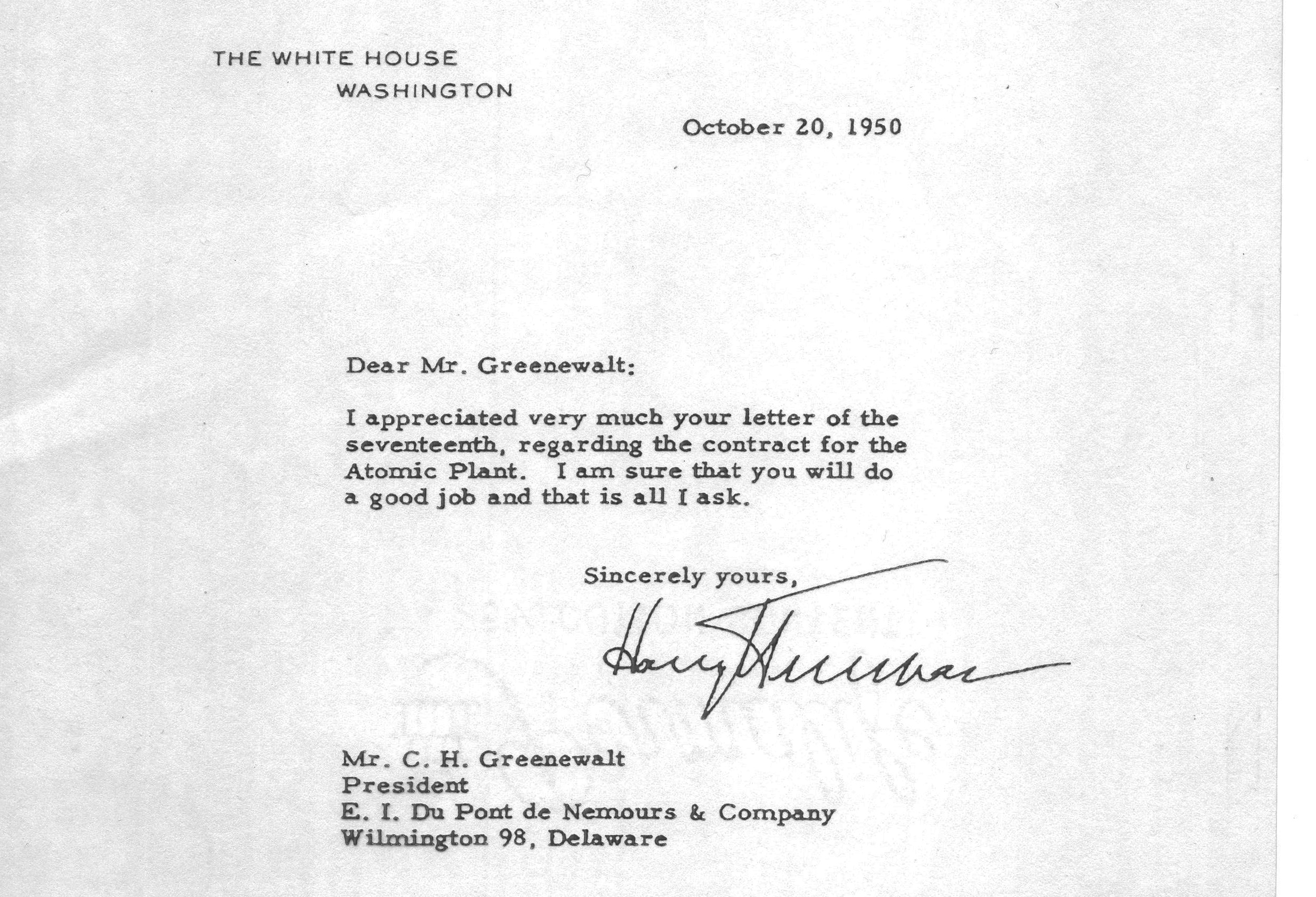
- President Truman sends a formal letter to DuPont, specifically requesting their expertise for the new project.
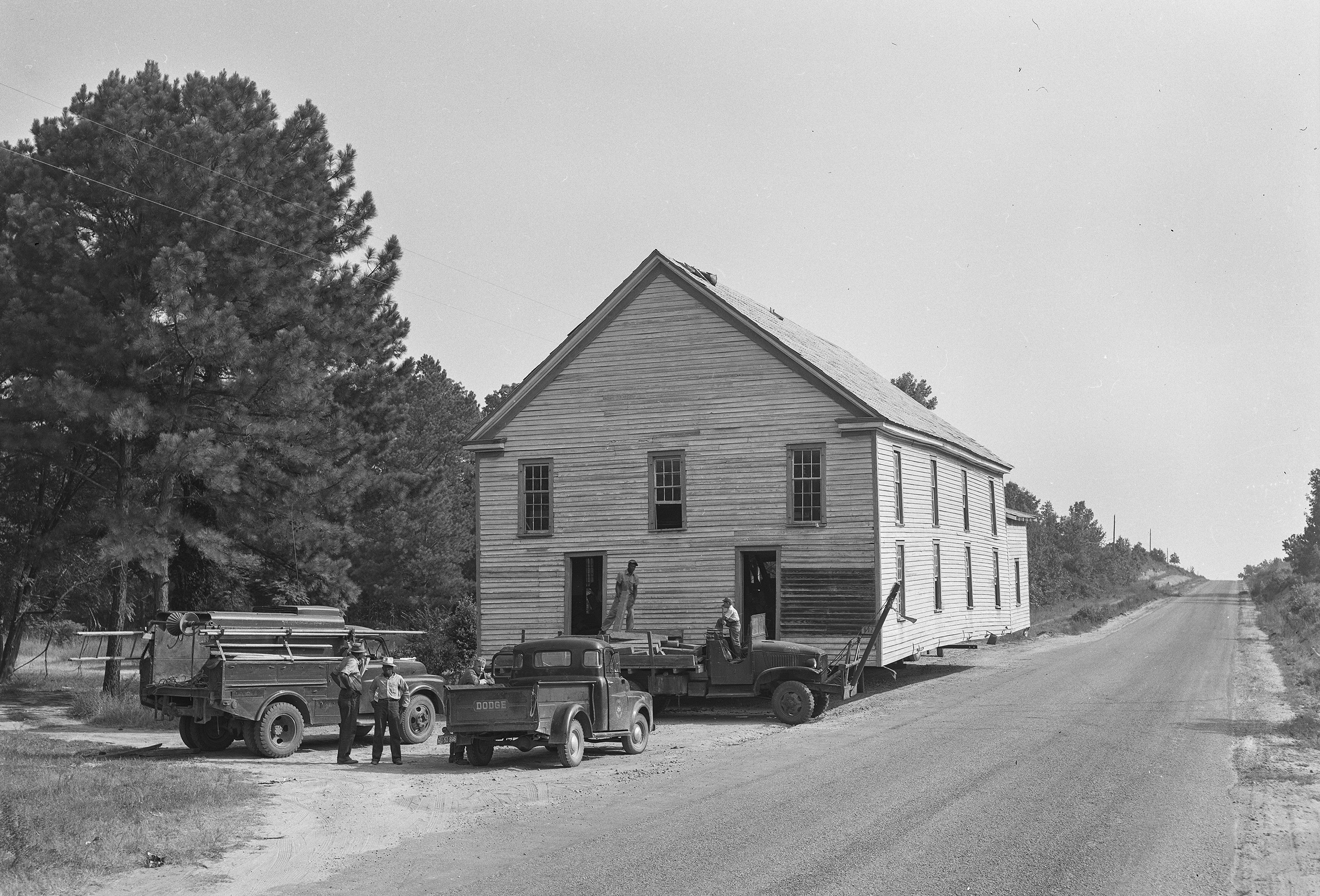
- Selection of location of Savannah River Plant (SRP), between Aiken, S.C., and Augusta, Ga., on the Savannah River, is announced
1951
- Site construction begins.
- Environmental monitoring of SRP begins with Dr. Ruth Patrick’s baseline survey.
- Construction completed on CMX pilot plant, the first working facility at SRP
- First waste tank construction begins.
1952
- Heavy water production starts in D Area.
- 305-M graphite test pile is the first reactor to go critical at SRS.
- R Reactor startup
1954
- P, L, K Reactors and F Canyon startup.
- F Area is the first separations plant to begin operation.
- First shipment of plutonium to the Atomic Energy Commission
1955
- Permanent Tritium facilities operational
- C Reactor and H Canyon startup
- First shipment of tritium to the AEC
1956
- Neutrino confirmed at P Reactor
1957
- Heavy water facilities reduced and reworked due to an adequate supply of heavy water for operations and sale
1958
- Par Pond provides cooling water for P and R Reactors
1959
- First production of Pu-238 heat source. SRP plutonium would first be used in a space satellite launched December 30, 1961.
- F Area restarted after two years of upgrades and addition of FB Line.
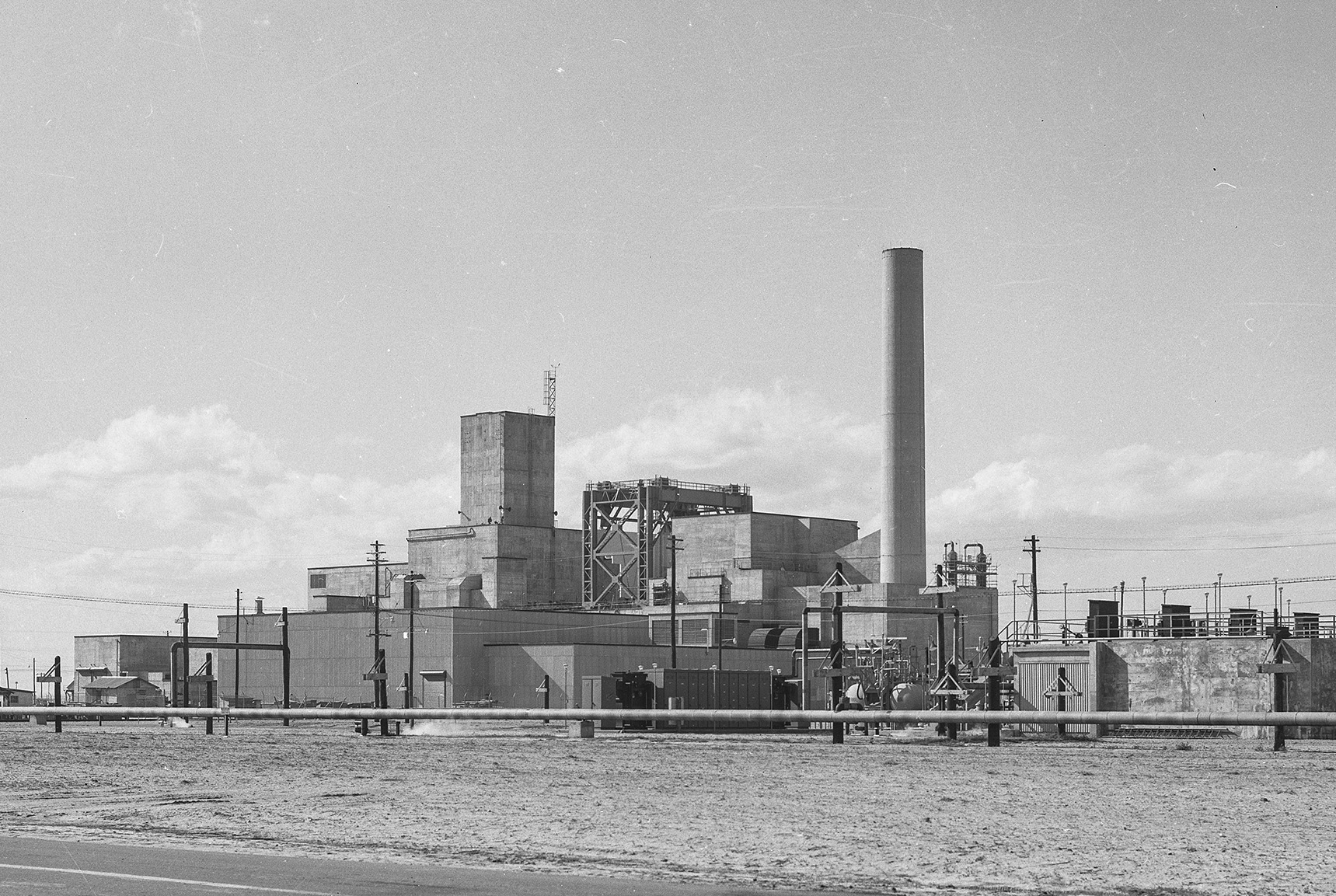
1961
- AEC establishes a permanent ecology laboratory onsite. The Laboratory of Radiation Ecology will later be known as Savannah River Ecology Laboratory.
1962
- Heavy Water Components Test Reactor (HWCTR) goes into operations testing the heavy water system for use with civilian power reactors.
1963
- Curium-244 produced as a heat source for space exploration. This was the first full scale conversion of an SRP reactor load to non-weapons materials. Receiving Basin for Offsite Fuel begins receiving used fuel from around the world. Fuel will later be processed in canyons.
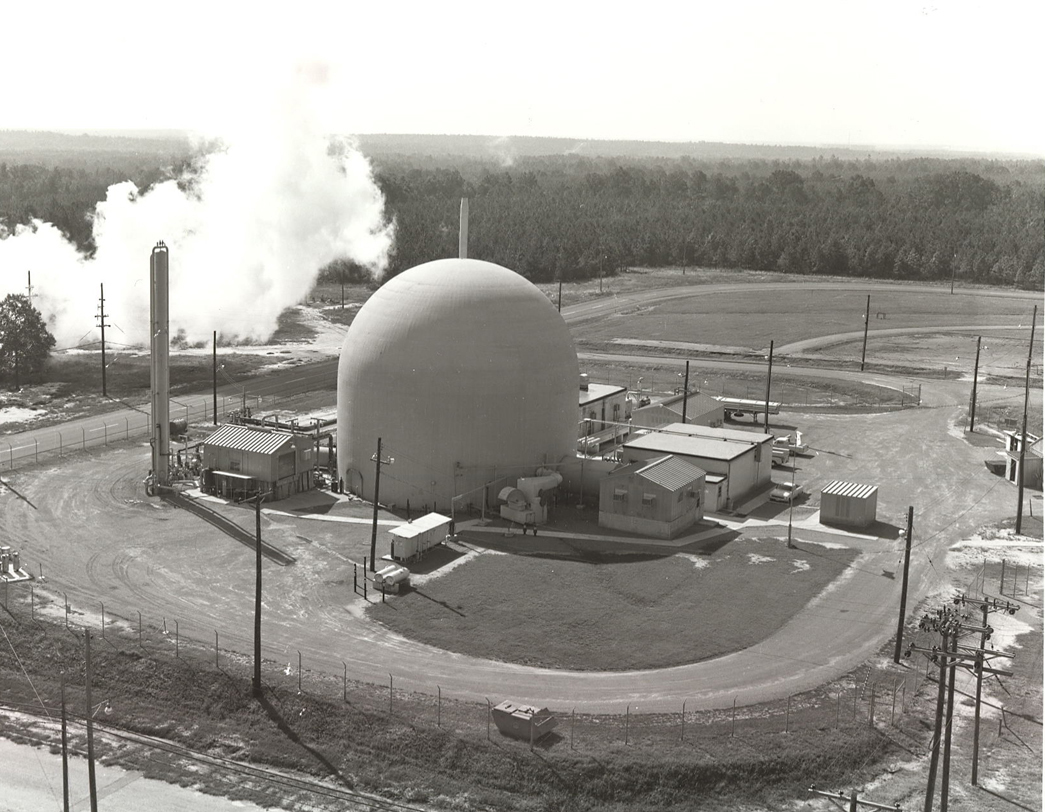
1964
- First sale of timber harvested from the Savannah River Site.
- Computers installed in reactors. First known computer process control of a reactor.
- R Reactor and HWCTR are shut down.
1965
- Californium-252, the heaviest isotope produced at the SRP, is separated as a byproduct of the curium program.
- C Reactor reaches a record high neutron flux of 6.1 x 10^15n/cm^2(sec).
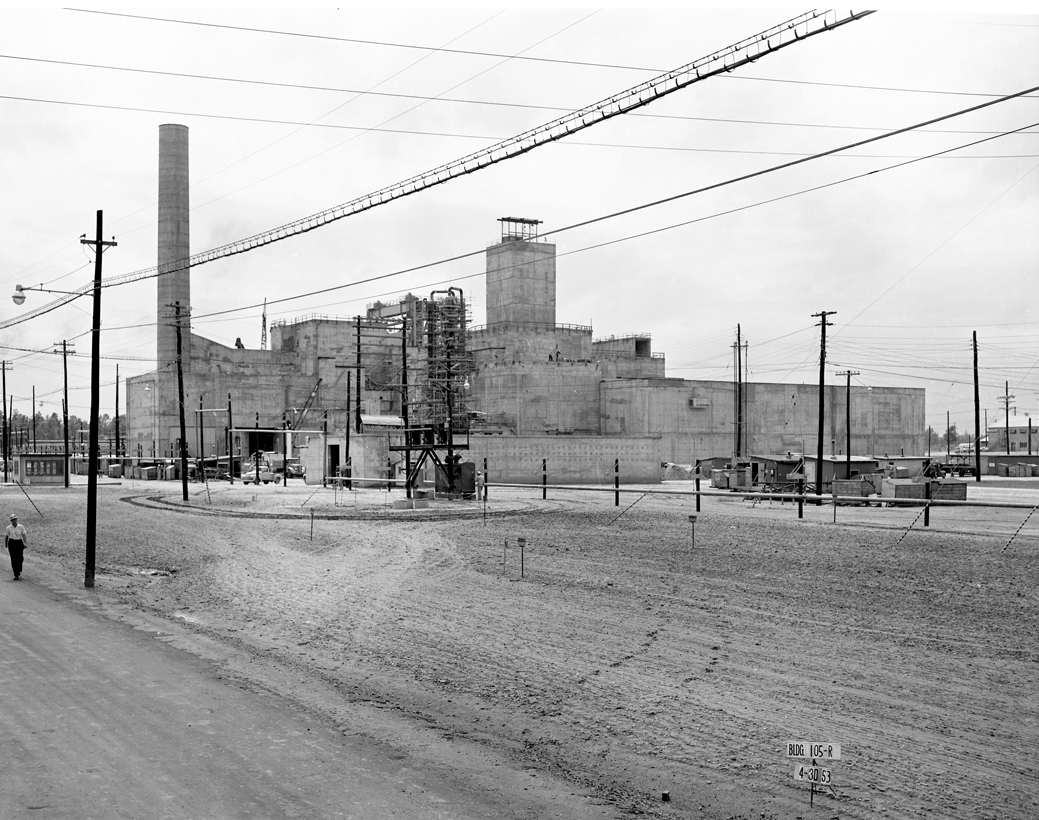
1966
- Savannah River Plant works with the Department of Defense to receive and bury contaminated soil from Palomares, Spain.
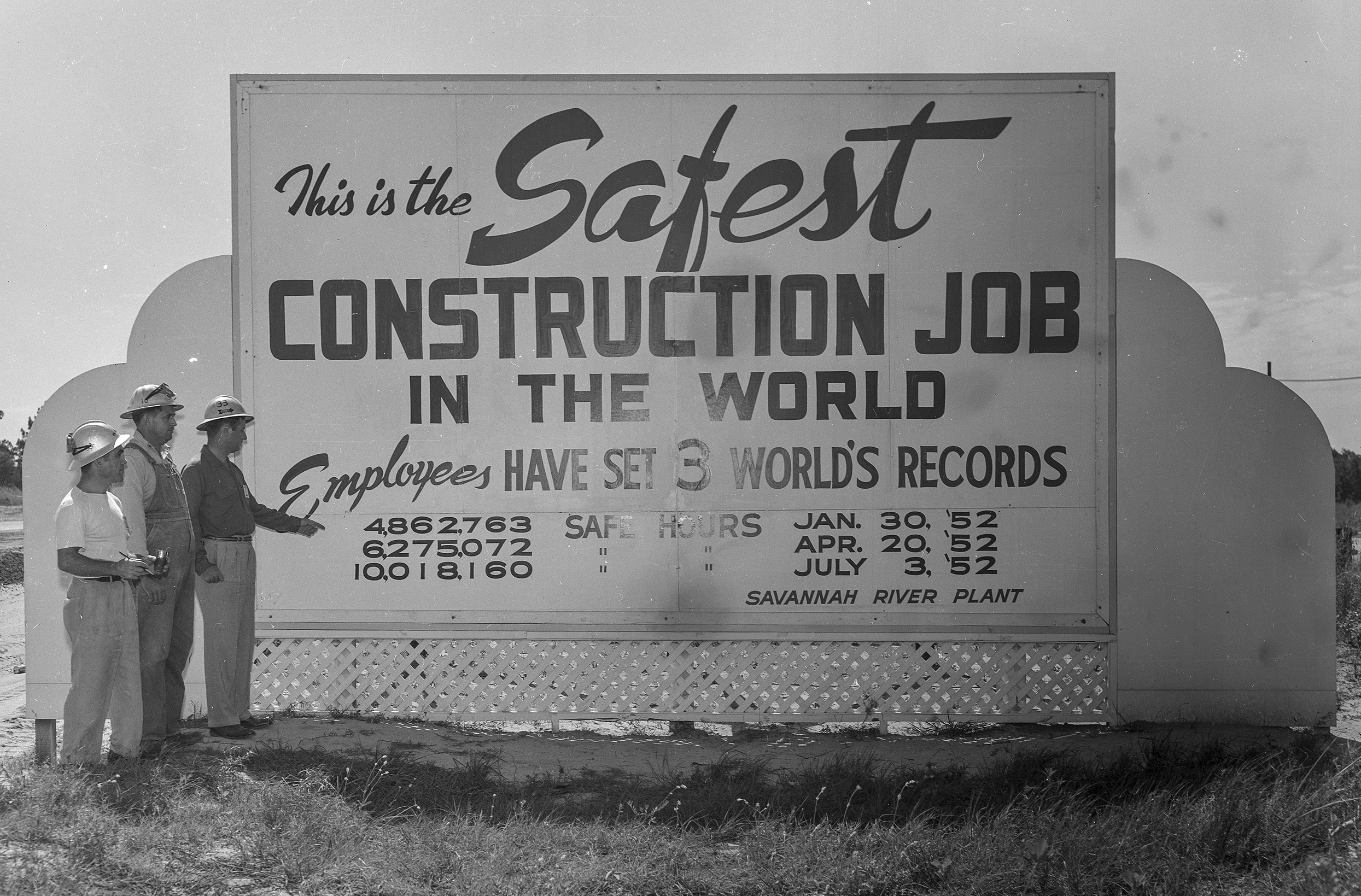
- The AEC Savannah River Operations Office, DuPont and all subcontractors at SRP complete a full calendar year of operations without a single disabling injury – a feat never previously accomplished at a major AEC installation.
1967
- C Reactor reaches a record high power level of 2915 megawatts
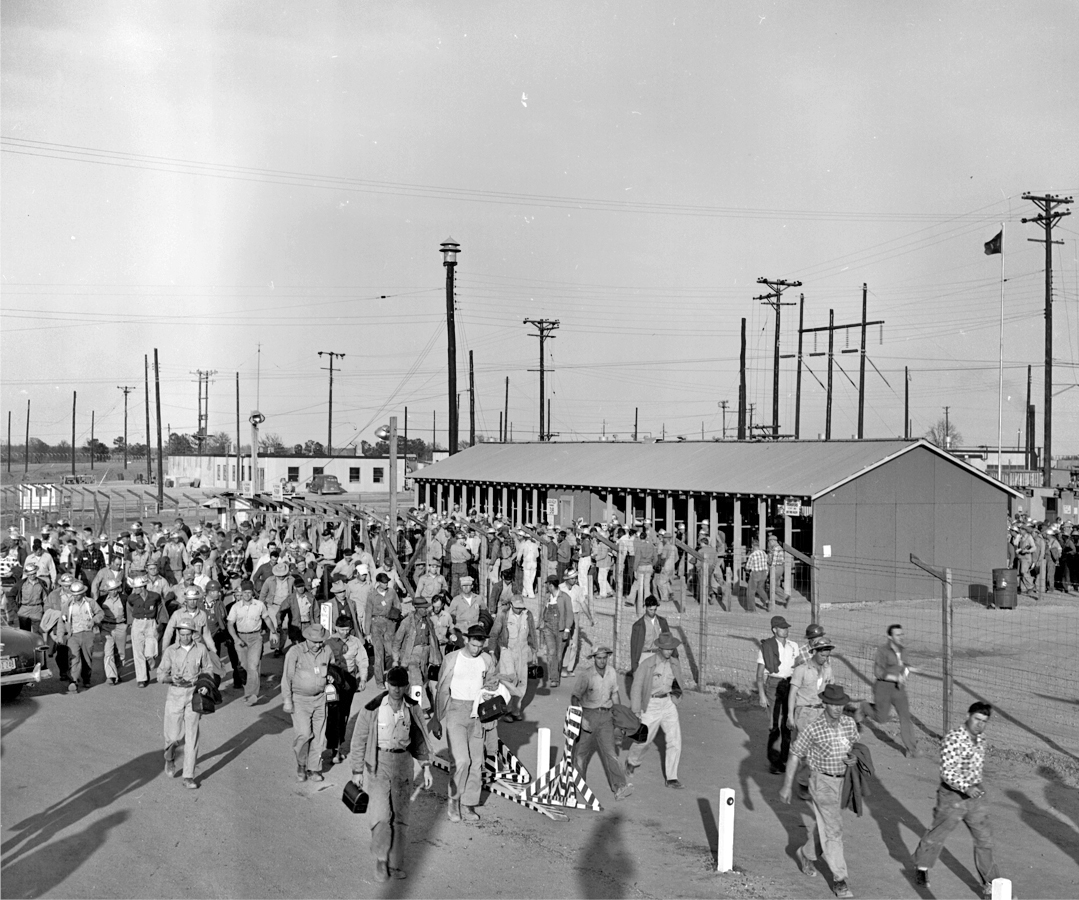
1968
- JOSHUA system allows computers to design Savannah River reactor cores.
- L Reactor is shut down.
- SRP assists with the Crested Ice Project to remove contaminated snow and ice from Thule, Greenland.
1969
- Californium-252 is made in a separate production program. SRP also has the distinction of producing 2.1 g Cf-252, the most ever produced.
1970
- SRP receives AEC’s “Best Ever” award for the largest number of injury-free manhours ever accumulated by an AEC contractor.
1972
- SRP is designated first National Environmental Research Park. Land is set aside for ecological studies.
1973
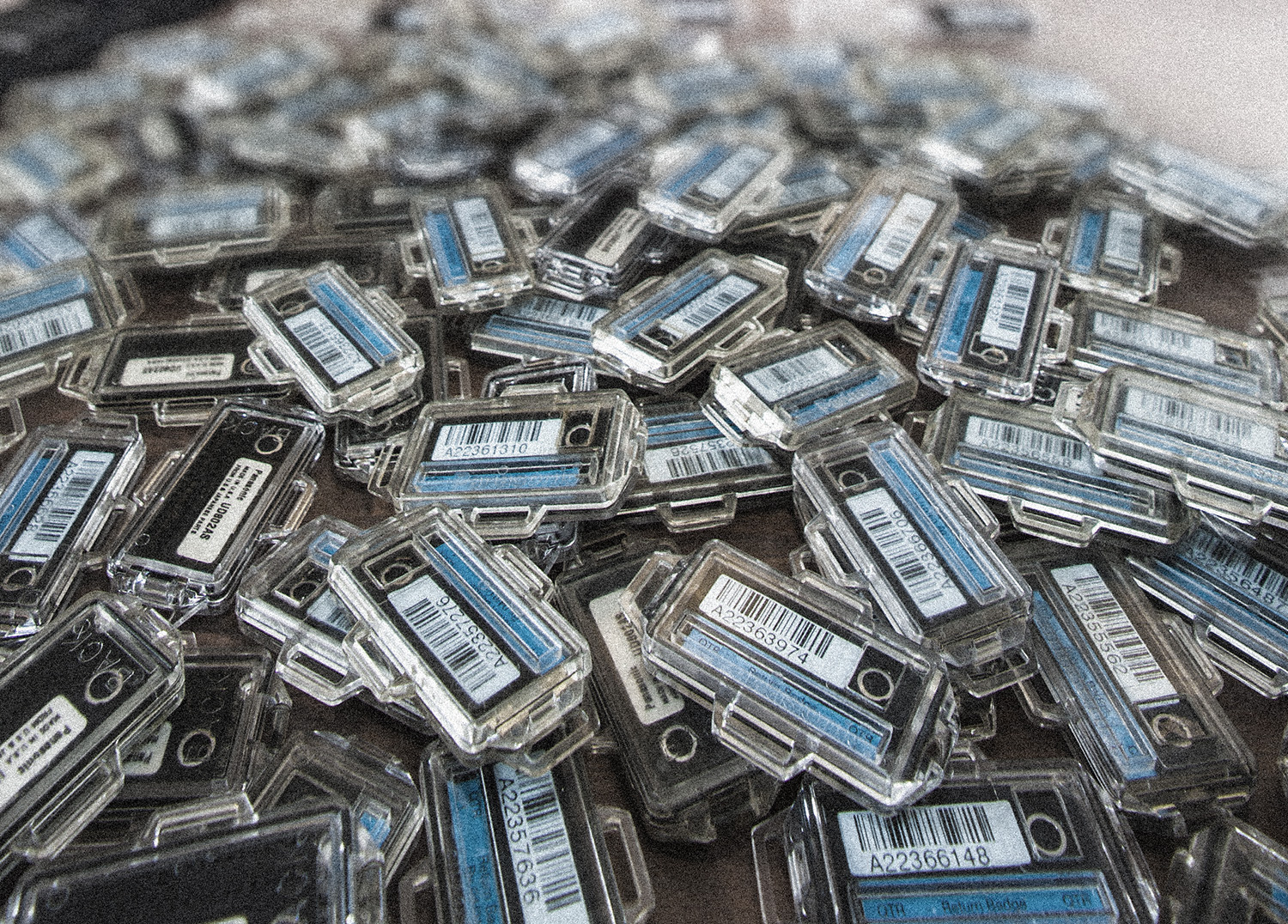
- SRP retires the film badge in favor of thermoluminescent dosimeters (TLDs) for monitoring personnel radiation exposure over time.
1976
- Buttresses added to SRP reactor high hats (except R) to prevent collapse in the event of an earthquake.
1977
- Plutonium Fuel Fabrication facility startup.
1978
- Savannah River Archaeological Program established on Site to perform data analysis of prehistoric and historic sites on SRP land.
1979
- Three-day anti-nuclear protest staged on Site. This begins a period of several years of anti-nuclear protests.
1982
- Tracking Atmospheric Radioactive Contaminants van built to provide data on radioactive releases.
- SRSnet is the first SRP computer network, and, by 1986, became one of the largest computer networks of its day.
1983
- Defense Waste Processing Facility construction start.
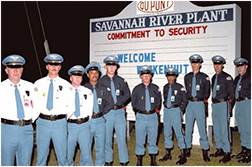
- Wackenhut Security International began providing security at SRP.
1985
- C Reactor shut down. This status was made permanent in 1986.
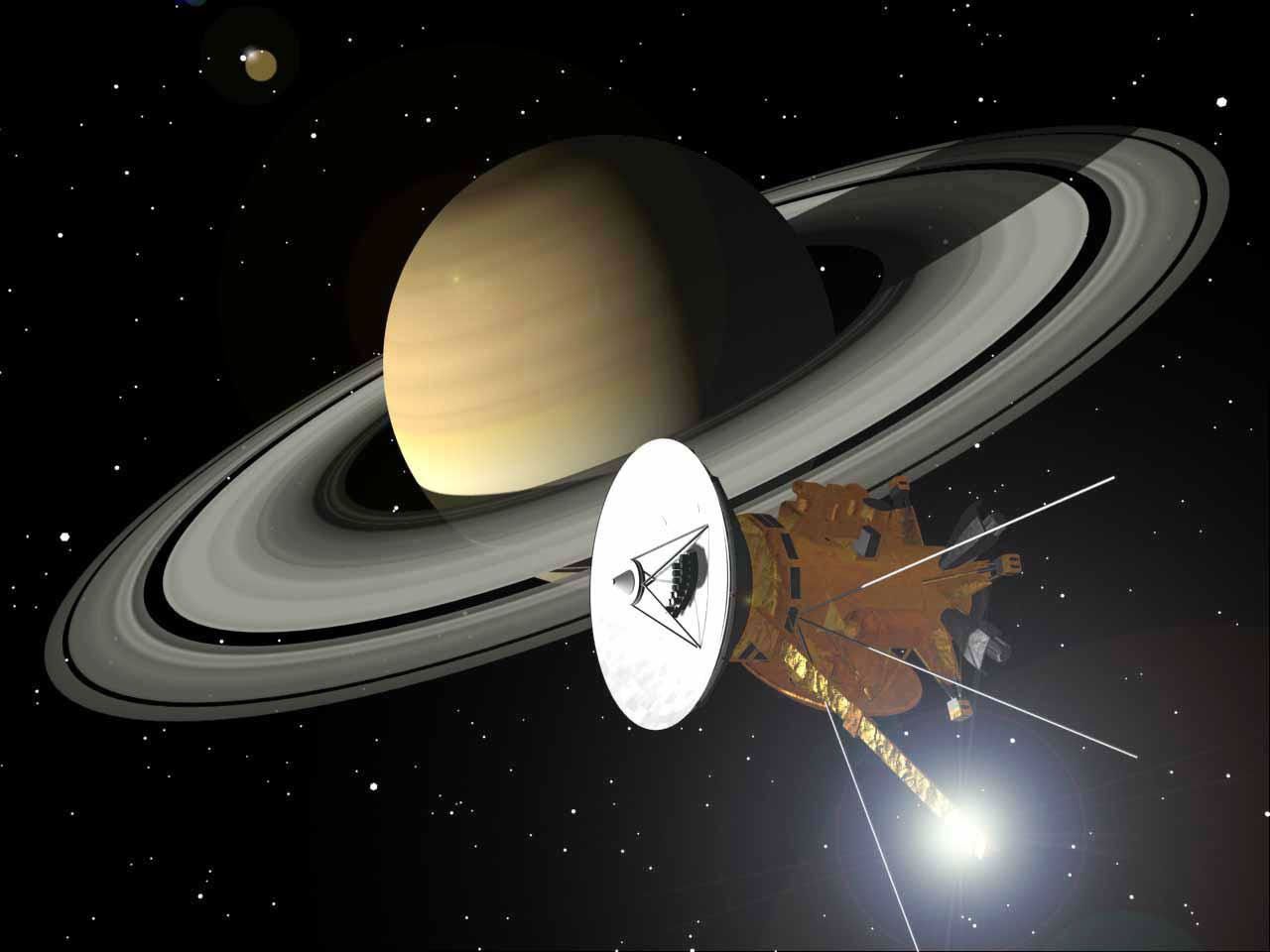
- HB-Line begins producing plutonium-238 for NASA’s deep-space exploration program.
- L Reactor restart. First reactor to be rehabilitated and restarted after a long period of inactivity.
- DOE Subsurface Microbiology Program begins, which revolutionizes environmental remediation through the use of biological organisms.
1986
- Saltstone construction begins.
1987
- DuPont formally notifies DOE and public of its intent to end tenure at SRP.
- Effluent Treatment Project construction begins.
1988
- Effluent Treatment Project operations begin.
- Remaining reactors are shut down.
1989
- DuPont contract ends, Westinghouse contract begins.
- Name of the Site changed from Savannah River Plant to Savannah River Site (SRS).
- Savannah River Site placed on National Priority List of sites targeted for assessment, and, if necessary, restoration.

1990
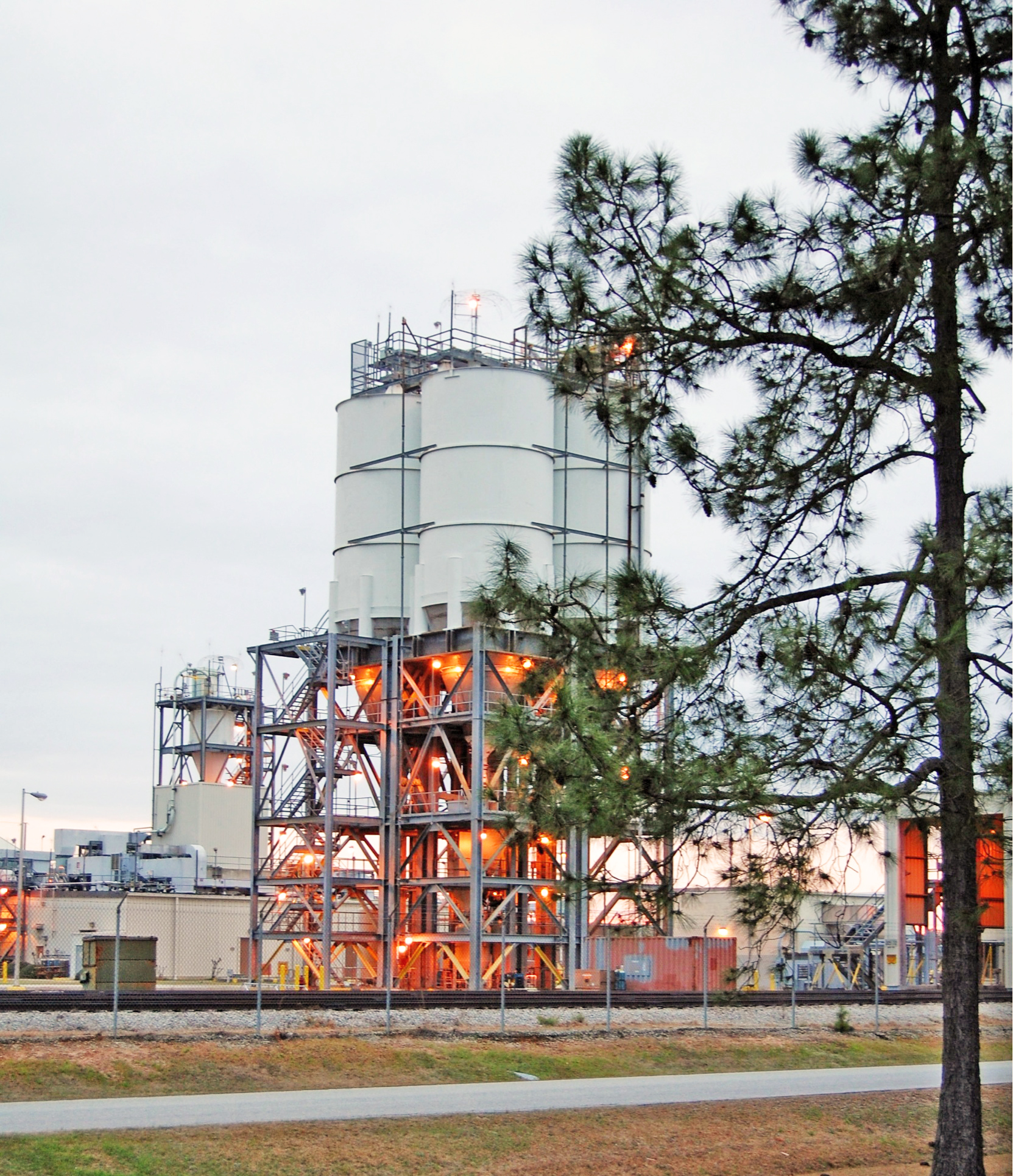
- Saltstone Facility startup.
1992
- K Reactor restarted since contract change, goes critical for a test run before getting shut down permanently.
1994
- Replacement Tritium Facility startup.
1995
- Westinghouse Savannah River Company launches www.srs.gov, the Savannah River Site’s first website.
1996
- Defense Waste Processing Facility startup.
- L Area Complex Basin equipment reconfigured to safely handle and store used nuclear fuel from off-site research reactors.
1997
- First high-level tanks (17 and 20) are closed.
- Cold War Historic Preservation Program begins.
1999
- Washington Group International acquires the government services business of Westinghouse, changing the Westinghouse Savannah River Company name to Washington Savannah River Company.
- The Department of Energy signs a contract with a consortium, now called Shaw AREVA MOX Services, LLC, to design, build and operate a Mixed Oxide Fuel Fabrication Facility.
2000
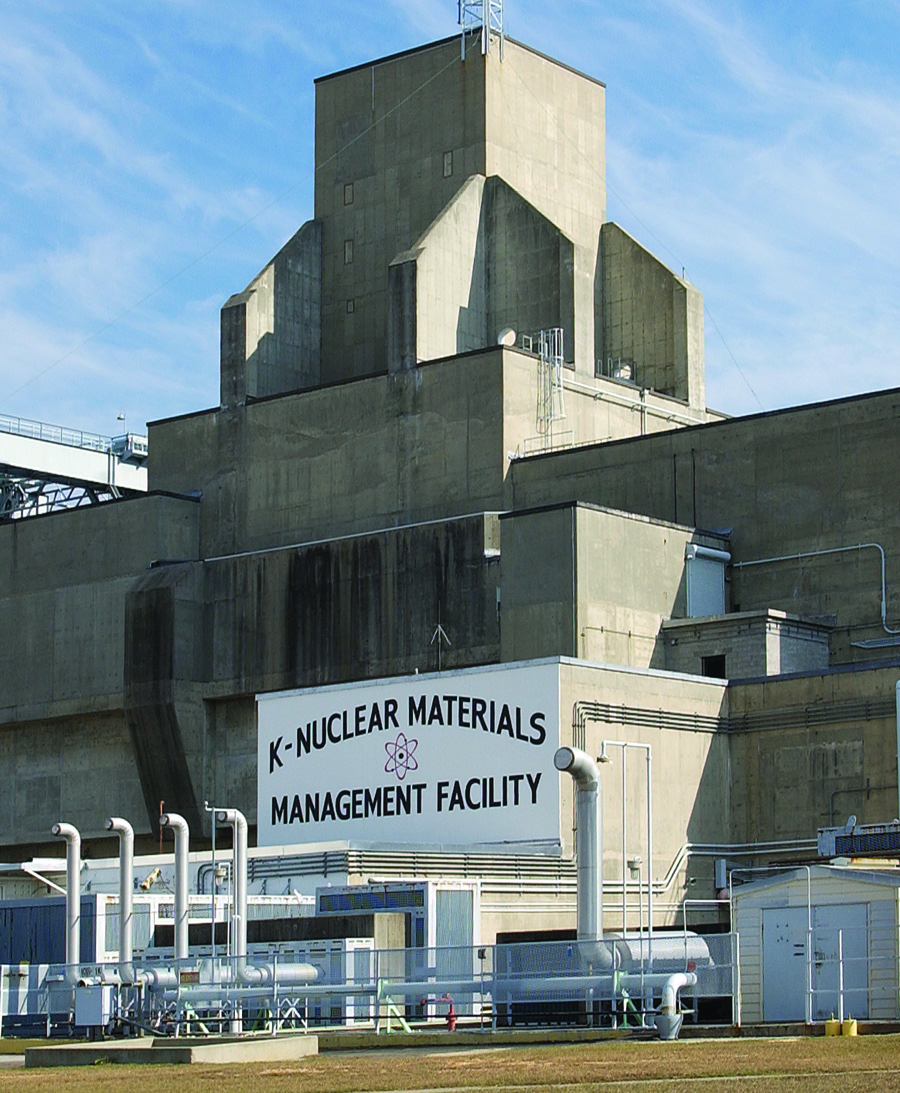
- K Reactor building converted to K Area Materials Storage Facility.
- SRS celebrates 50th anniversary.
2003
- Accelerated cleanup work changes skyline.
- Parsons selected to design, build, commission and operate for 1 year the Salt Waste Processing Facility and construction begins.
2004
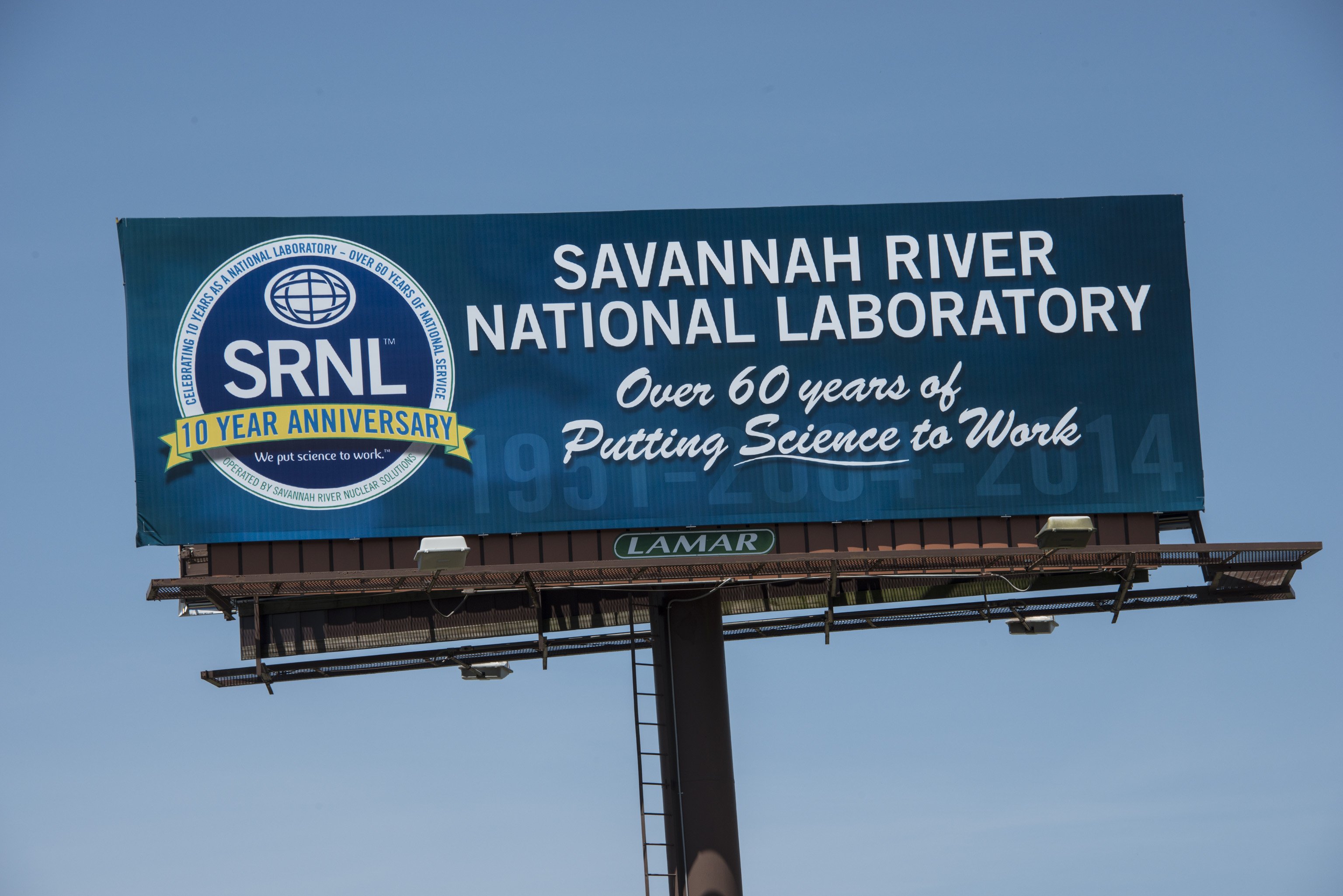
- Savannah River Technology Center designated Savannah River National Laboratory.
2005
- Assisted community response to CSX train derailment in Graniteville, chlorine gas spill.
2006
- Aiken County Center for Hydrogen Research opens.
- T Area closure complete.
- F Area deactivation complete.
2007
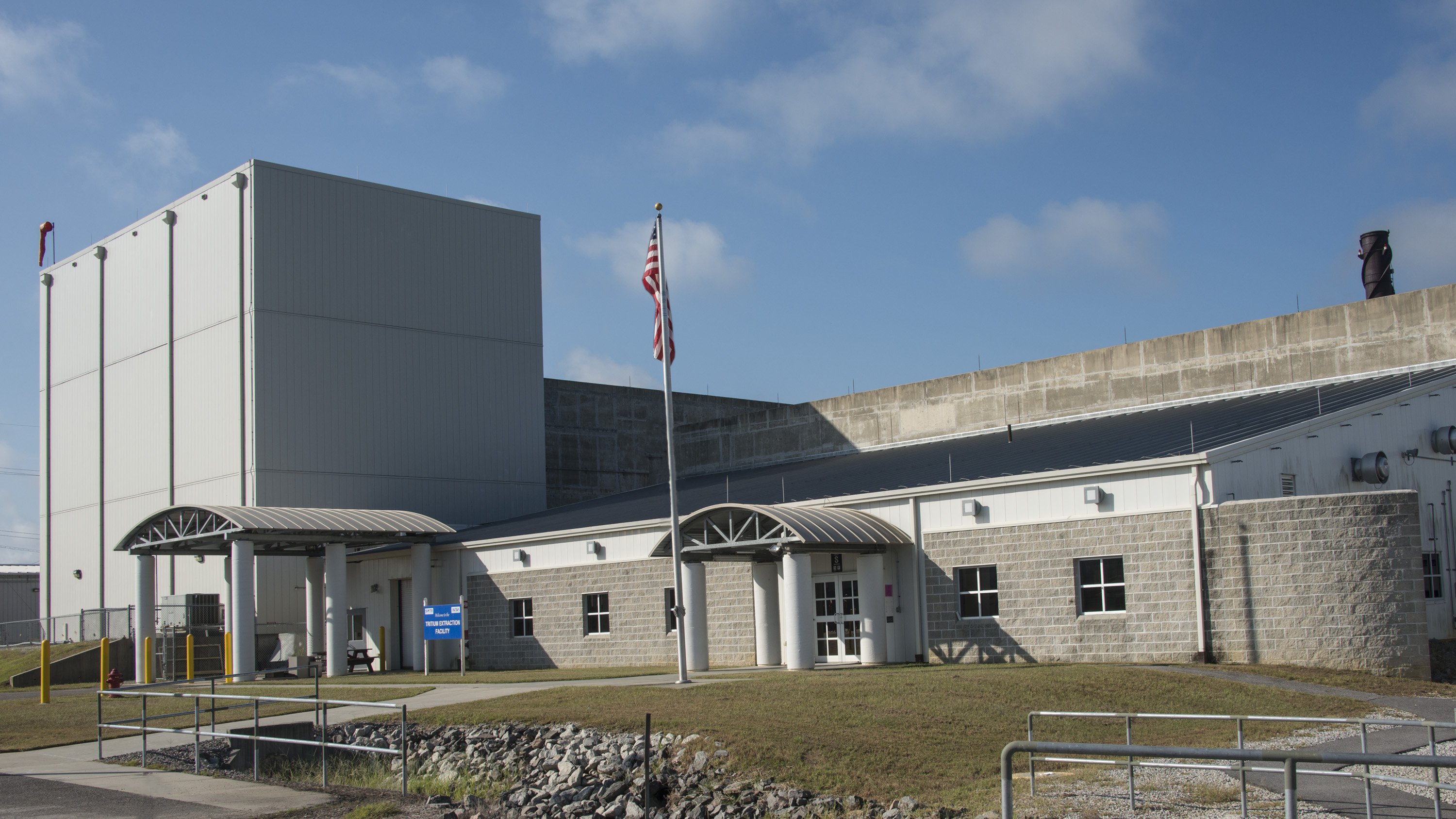
- Tritium Extraction Facility opens.
- MOX Facility construction begins.
2008
- Waste Solidification Building construction begins.
- Actinide Removal Process & Modular Caustic Side Solvent Extraction Unit operations begin.
- Washington Savannah River Company management and operations portion of contract ends.
- Savannah River Nuclear Solutions awarded contract for management and operations of SRS.
2009
- Washington Savannah River Company Liquid Waste portion of contract ends.
- Savannah River Remediation awarded contract for the Liquid Waste Operations of SRS.
- American Recovery and Reinvestment Act accelerates SRS Area Completion Projects.
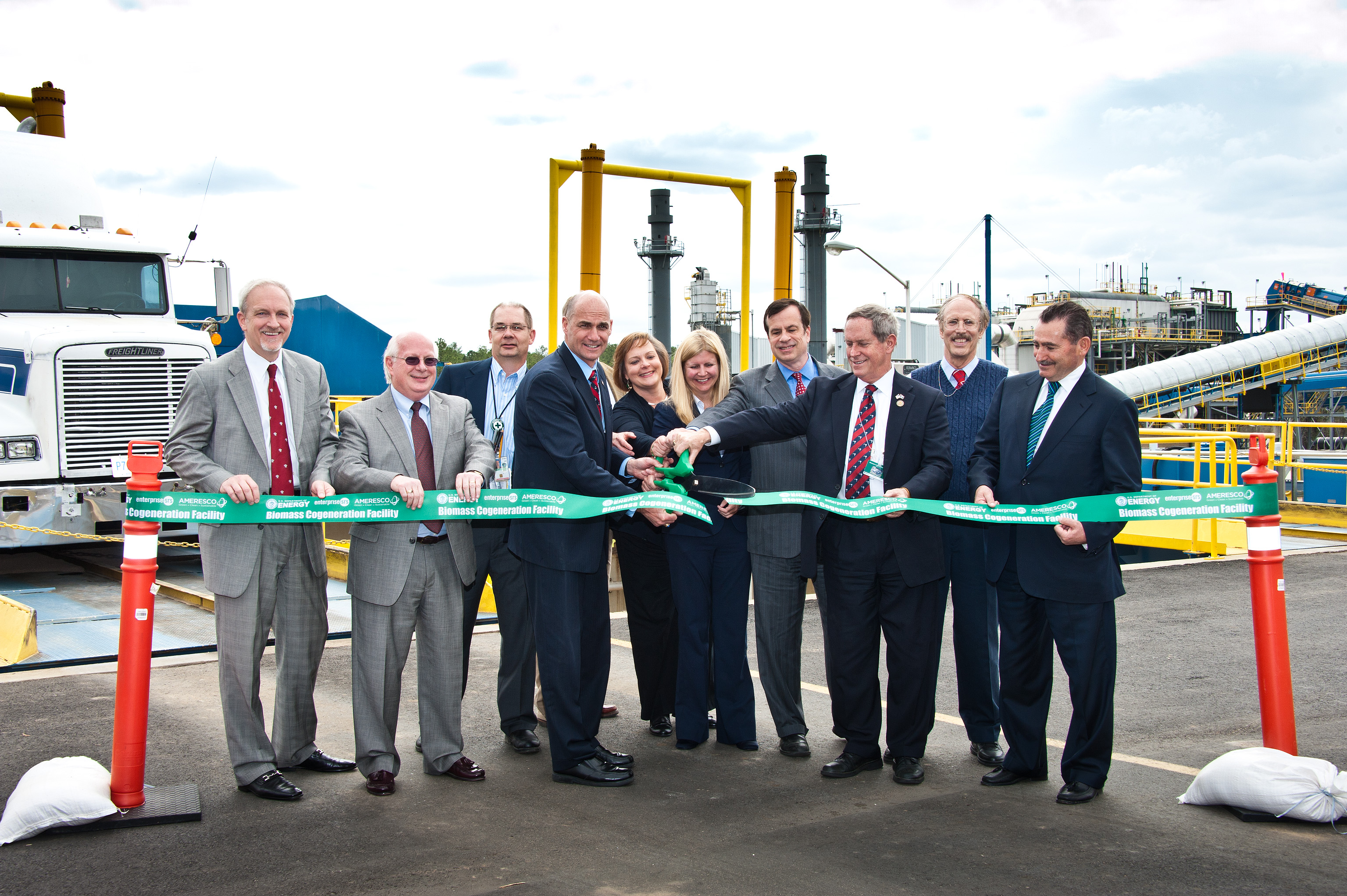
- Ameresco begins construction on Biomass Cogeneration Facility.
2010
- M Area closure complete.
2011
- P and R Areas closure complete
2012
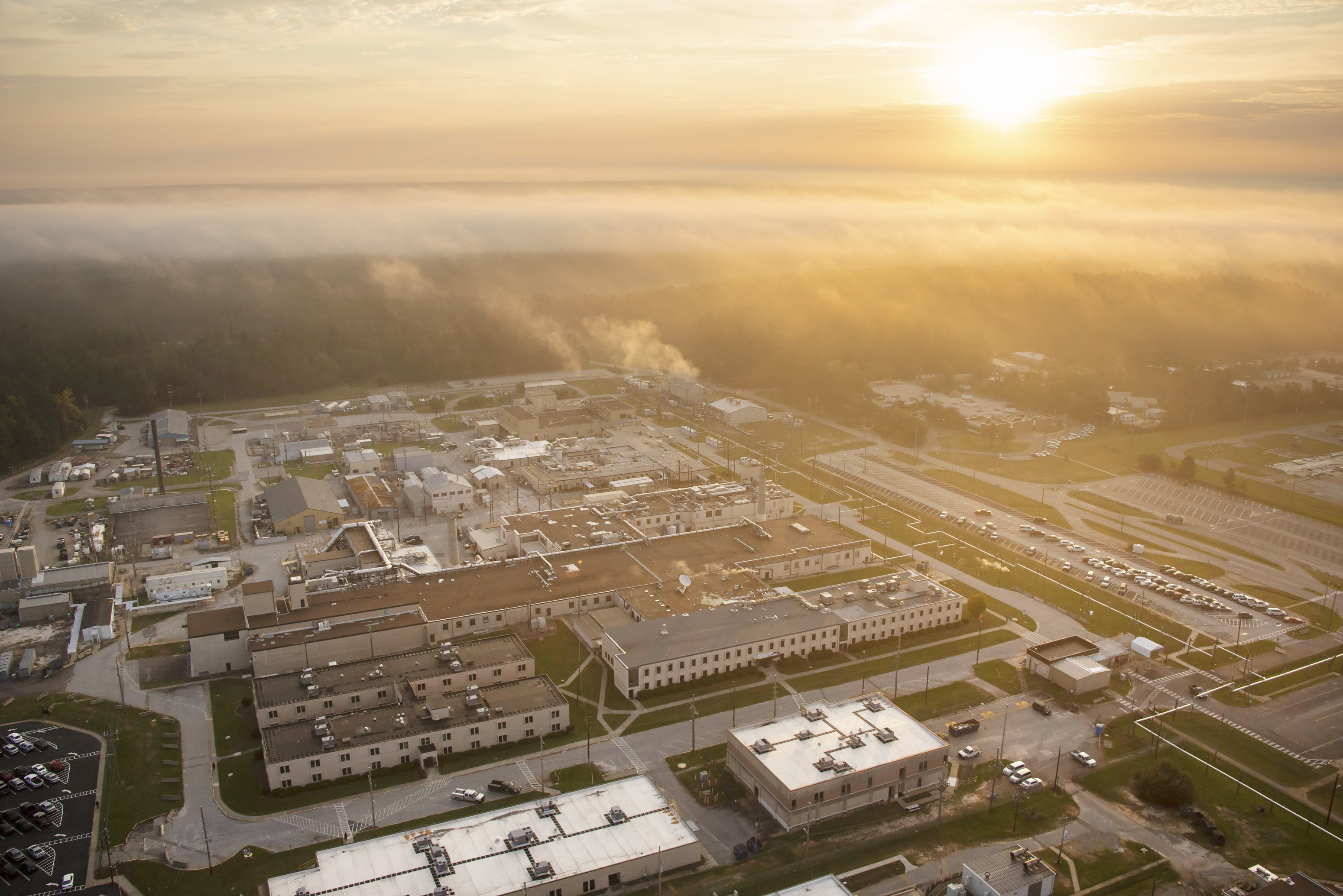
- 85 percent of SRS operational footprint reduction achieved.
- Ameresco starts up Biomass Cogeneration Facility.
- Waste tanks 18 and 19 are operationally closed.
2013
- 5,000 cubic meters of legacy transuranic waste remediation, characterization and repackaging completed.
- Waste tanks 5 and 6 are operationally closed.
- Construction begins on Saltstone Disposal Unit 3 and 5.
- Construction begins on Saltstone Disposal Unit 6 “Mega Vault.”
2014
- Construction completed seven months ahead of schedule for Saltstone Disposal Units 3 and 5.
- Savannah River National Laboratory marks 10-year anniversary as a national laboratory and over 60 years of service to the nation.
- First transfer of radioactive liquid waste from F Tank Farm to H Tank Farm utilizing a central control room.
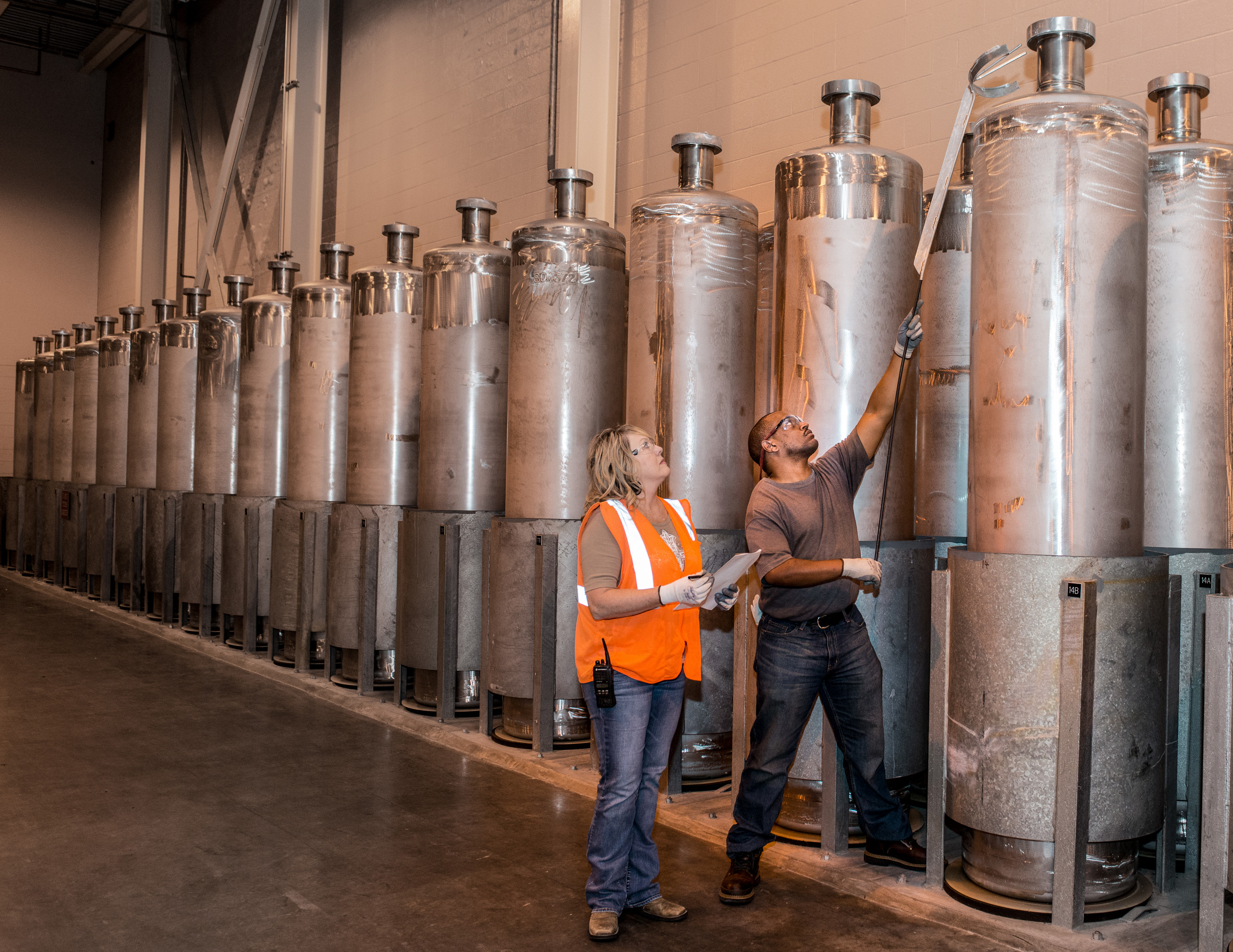
- K Area completed construction of the Final Storage Vault for special nuclear materials.
- Completed 16 modifications to H Canyon in support of its continued operation and sustainability.
- Completed the dissolution of the Sodium Reactor Experiment (SRE) used nuclear fuel campaign.
2015
- Assisted community response to CSX train derailment in Allendale County, hydrochloric acid spill.
- Waste tank 16 is operationally closed.
2016
- Waste tank 12 is operationally closed.
- Achieved readiness for Target Residue Material (TRM) receipts.
- Achieved readiness and began plutonium (Pu) down-blending in K Area.
- Canister Double Stack Project begins in Glass Waste Storage Building 1.
- 4,000th canister of glassified waste is poured at the Defense Waste Processing Facility.
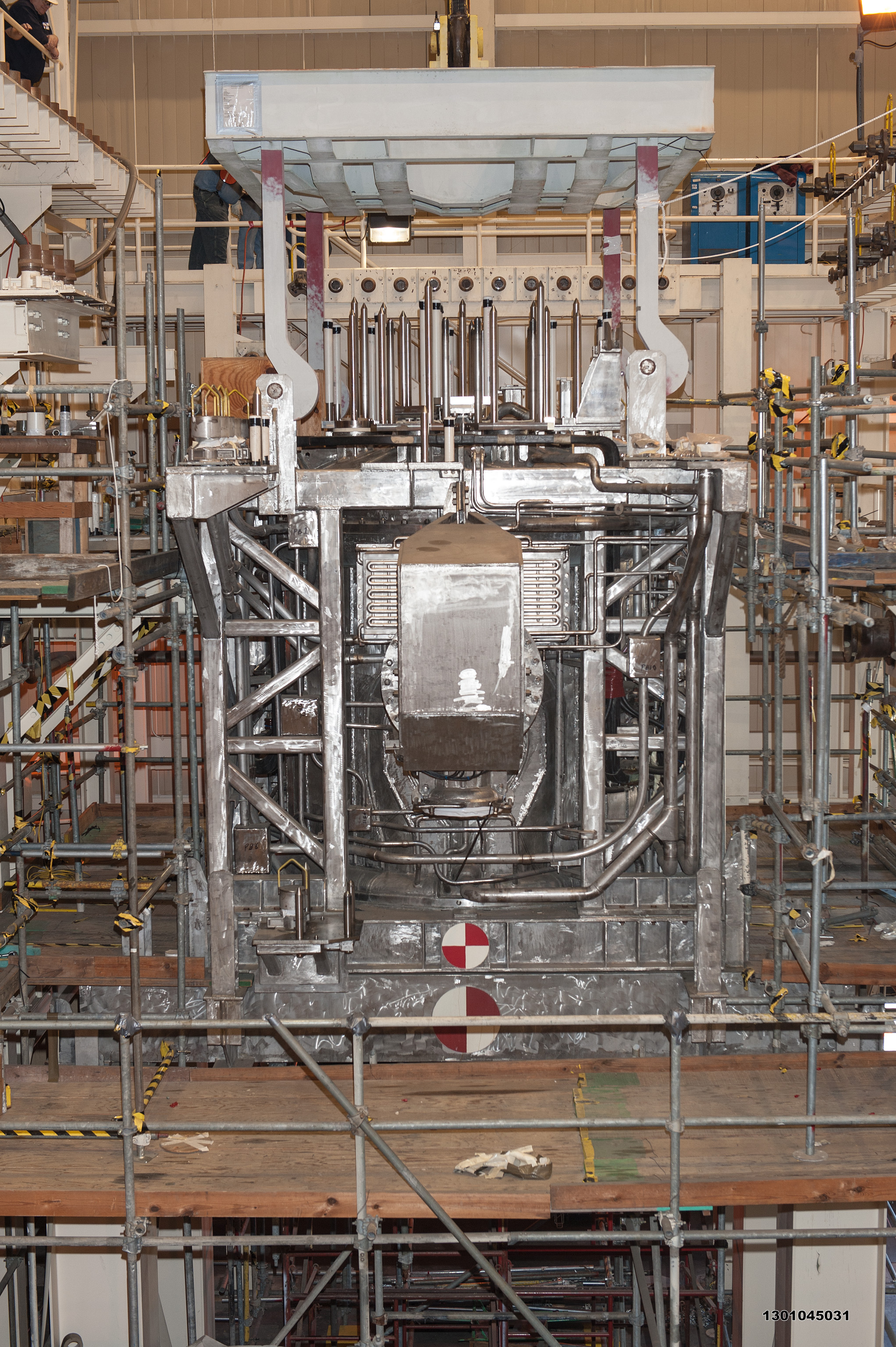
- Construction completed on Salt Waste Processing Facility.
- Waste tank 16 is operationally closed.
2017
- Melter 2 is replaced with Melter 3 in the Defense Waste Processing Facility.
2018
- Saltstone Disposal Unit 6 receives first radioactive waste transfer.
- Processed three uranium streams in H Canyon for the first time.
- Replaced 60-year-old power distribution systems in K and L Areas.
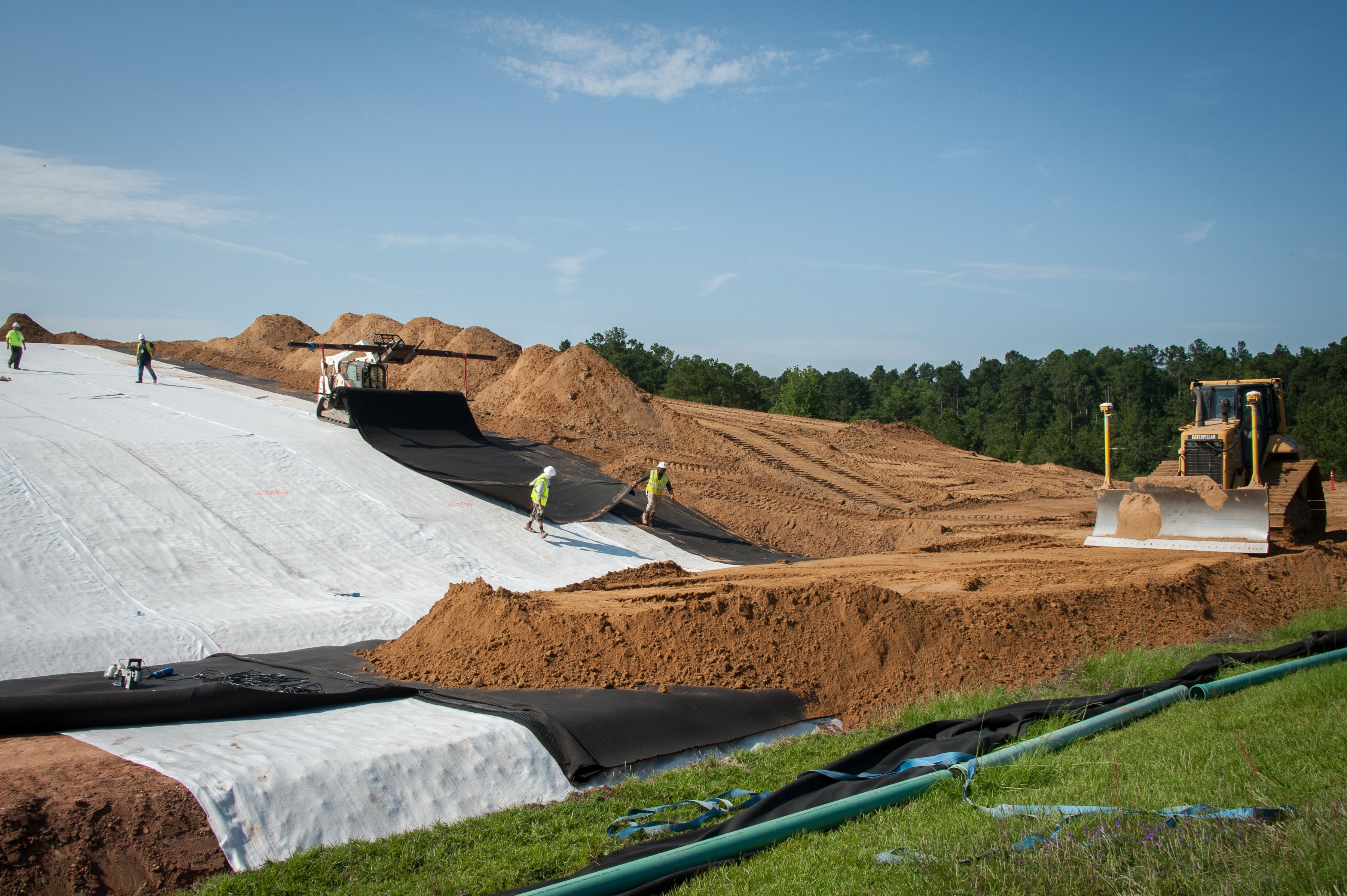
- Completed D Area coal ash clean up.
- Initial planning begins for potential new plutonium pit production capability at SRS.
2019
- Tank Closure Cesium Removal Project begins in H Tank Farm.
2020
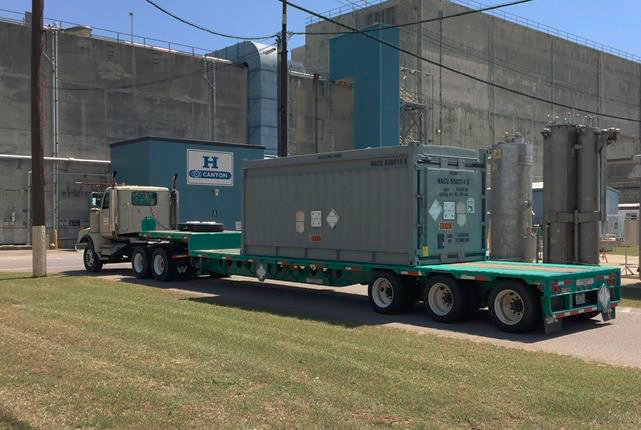
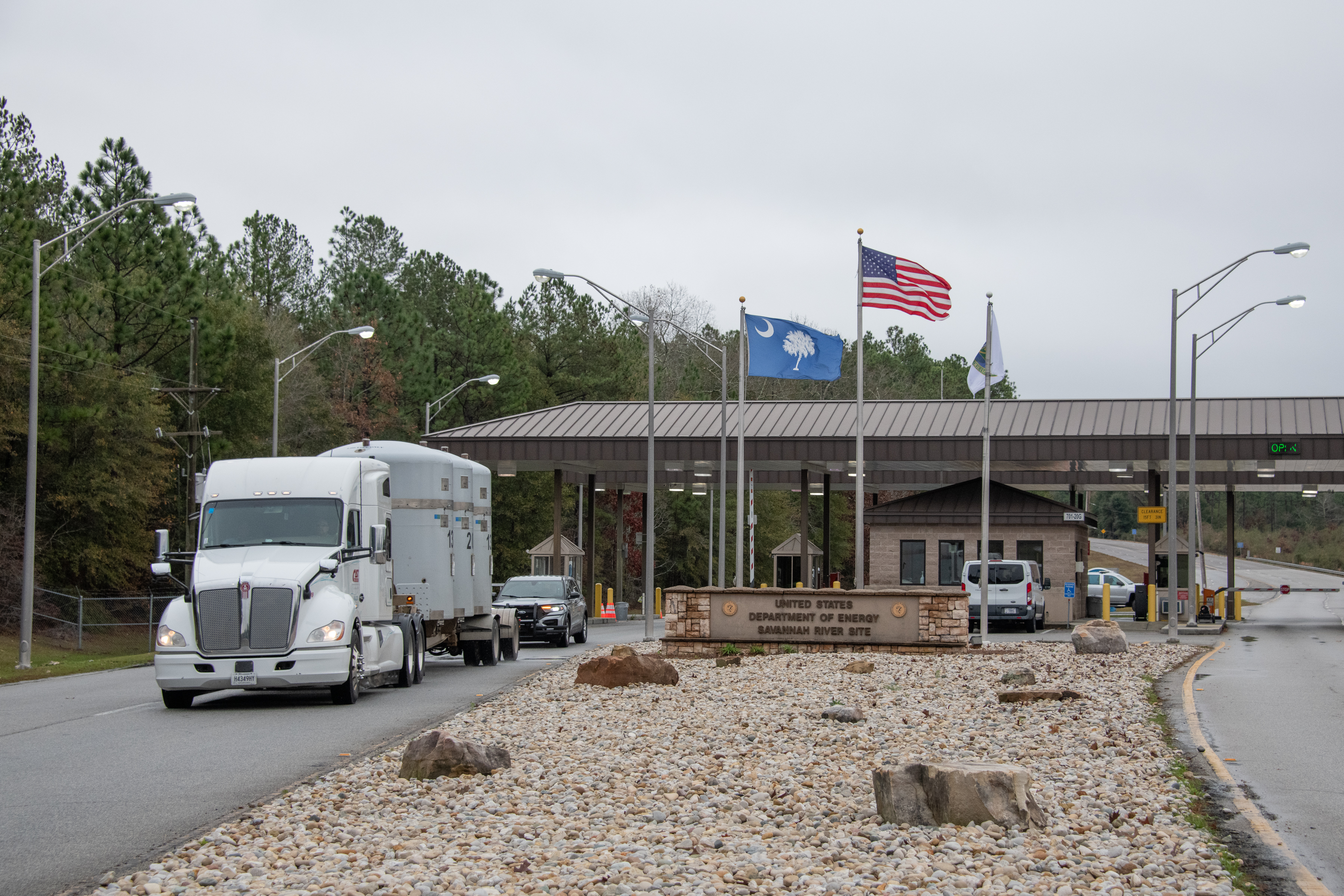
- Completed four-year campaign to receive and process liquid highly enriched uranium, called Target Residue Materials, from Canada.
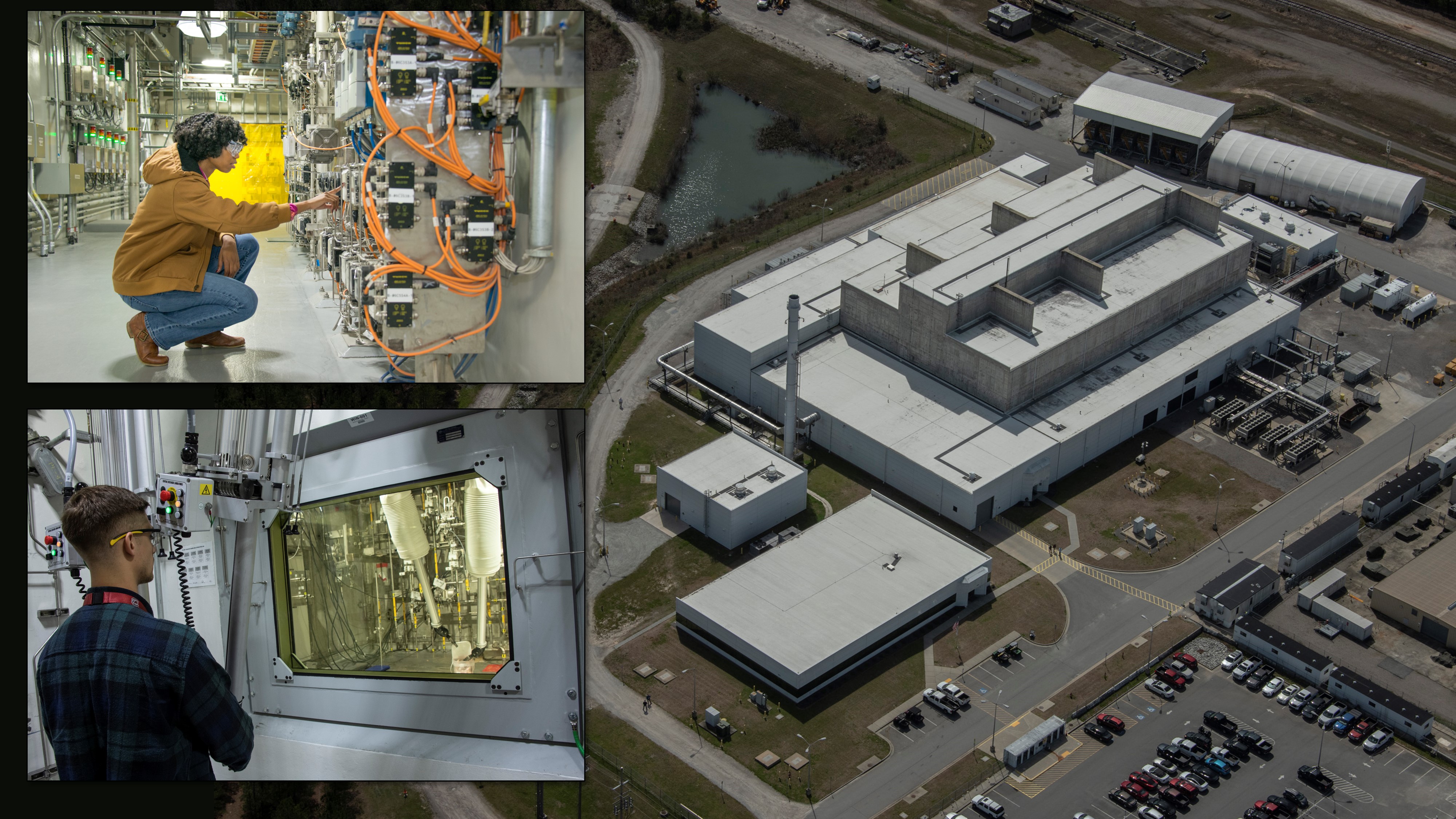
- Radioactive operations begin at Salt Waste Processing Facility (SWPF).
2021
- Savannah River Plutonium Processing Facility (SRPPF) CD-1 approval is received.
- SRNL contract received by Battelle Savannah River Alliance.
2022
- Received DOE approval for the Accelerated Basin De-inventory mission.
- Achieved Record of Decision agreement with South Carolina and federal environmental regulators on the final clean-up of a 25-mile-long stream corridor.
- Installed electrolytic dissolver in H Canyon for the FCA mission.
- Savannah River Mission Completion assumes operation of Liquid Waste program for DOE.
- Completed first shipment of downblended surplus plutonium from K Area.
2023
- Demolition and removal work began at Savannah River Plutonium Processing Facility.
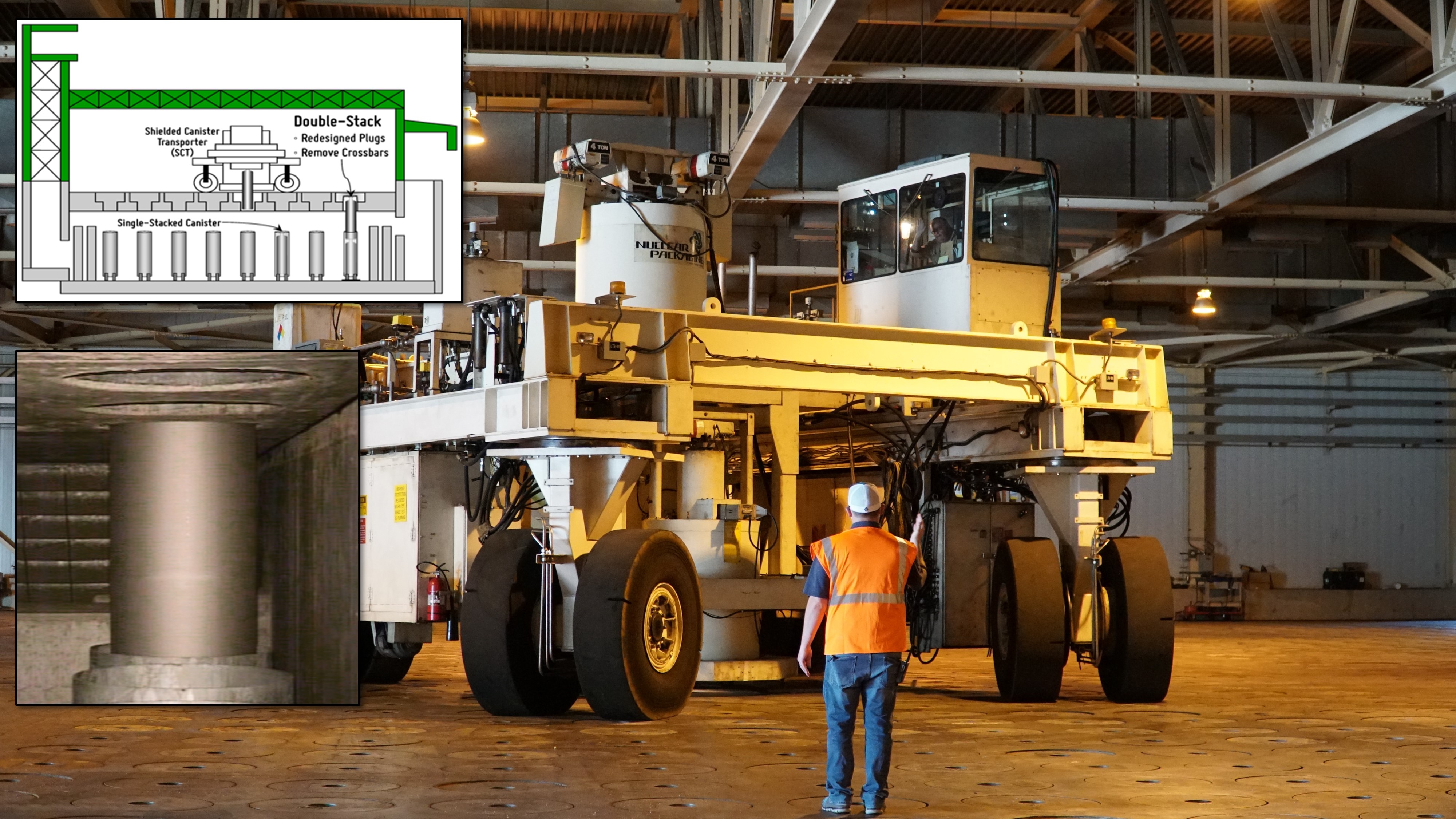
- The 2,000th canister of vitrified, high-level waste is double stacked in Glass Waste Storage Building 1 as part of the innovative Canister Double-Stack Project.
- SRNL-led ALTEMIS (Advanced Long-Term Environmental Monitoring Systems) project deployment completed in F-Area.
- SRNL’s Mobile Plutonium Facility elements deploy to Sellafield, United Kingdom for Red Kite exercise.
2024
- Excellent response and recovery to Hurricane Helene.
- SRS transfers landlord from Department of Energy – Environmental Management to National Nuclear Security Administration.
- Completed Fast Critical Assembly mission in H Canyon, using an electrolytic dissolver for the first time since the 80s.
- SRMC completed canister storage modifications in one of two glass waste storage buildings, effectively doubling that facility’s waste storage capacity and avoiding construction of a third storage building.
- Completed dismantle and removal scope for SRPPF.
2025
- K Area achieved 1 MT of plutonium downblended in KIS since operations began in 2017.
- Completed Salt Waste Processing Facility operational upgrades that significantly increased processing rates.
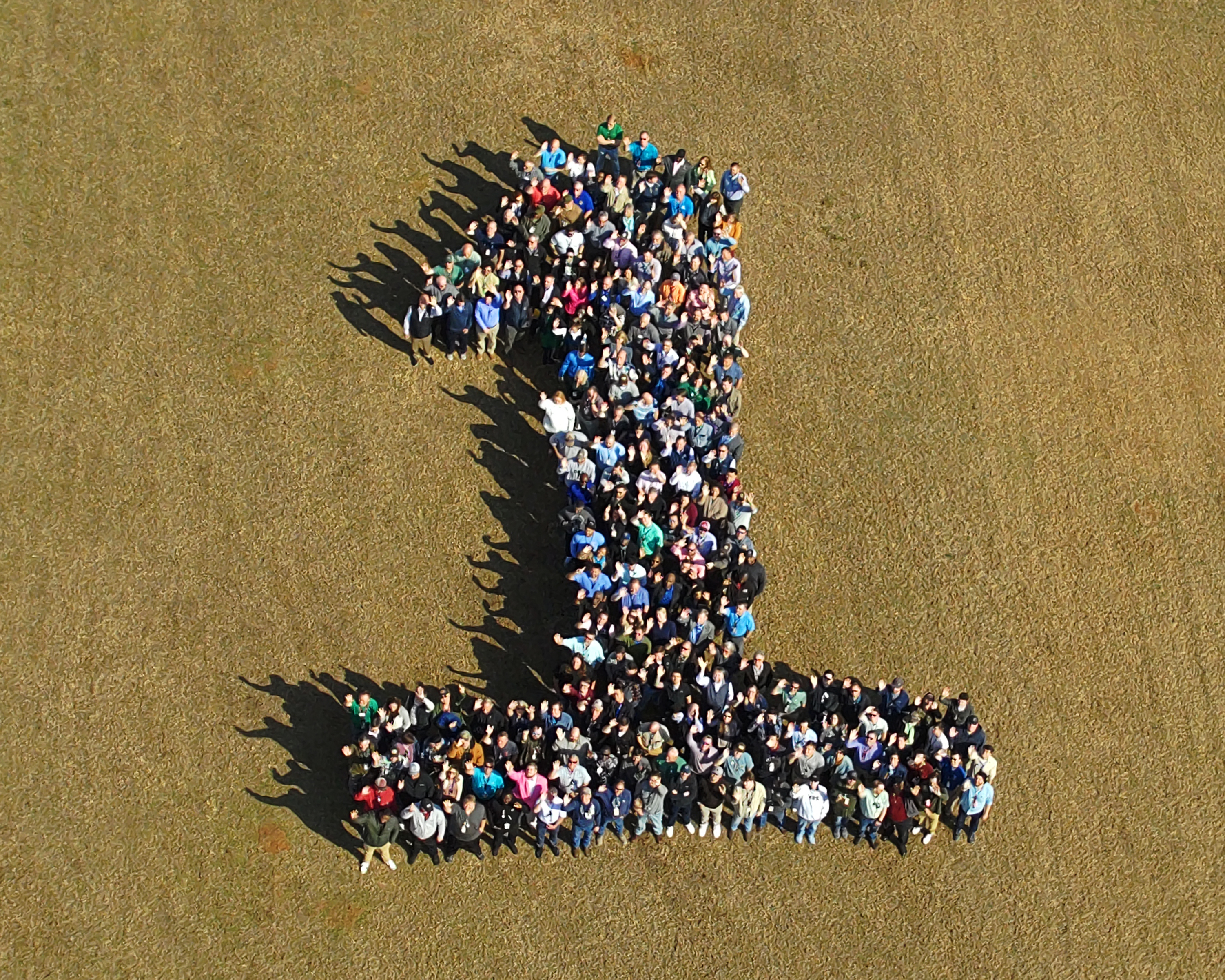
- SRS celebrates 75 years of service to the nation and hosts employees and their families for Family Days.
Sign Up for SRS govDELIVERY Updates
govDelivery is the leading provider of government-to-citizen communication solutions. This free service provides access to a variety of automatic email notifications of news and events including Emergency Notifications, News Releases, Community Leaders and Stakeholder Updates, and Environmental Bulletins.