

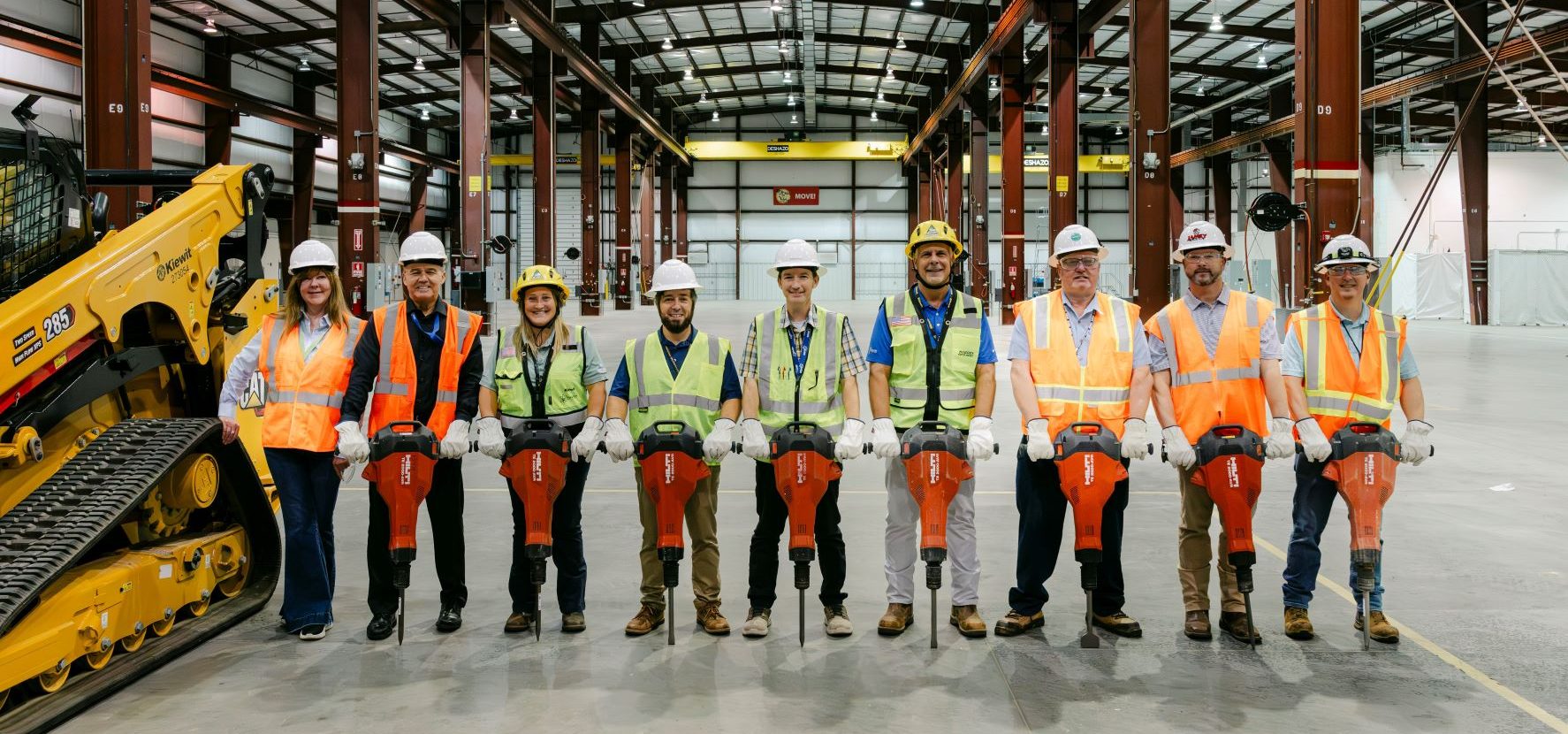
AIKEN, S.C. – Savannah River Nuclear Solutions (SRNS) marked in October the start of early construction work on the High-Fidelity Training and Operations Center (HFTOC), a future non-nuclear operations training facility for the Savannah River Plutonium Processing Facility (SRPPF) at the Savannah River Site (SRS). The HFTOC will be instrumental in the plutonium pit production mission by accelerating the transition from training to operations. By allowing operators to develop pit production competencies before SRPPF construction is complete, rate production of plutonium pits can be achieved more quickly once operations begin.
“It has taken a tremendous amount of hard work and dedication to get to this point where we can begin early construction activities on the HFTOC subproject,” said Mike Basham, SRNS Senior Vice President and SRPPF Project Director. “The SRPPF Project team has now started work to transform the existing HFTOC building into a key asset for the pit production mission. SRNS is collaborating with NNSA and our partners as we work with a sense of urgency to deliver on this national security mission.”
SRNS is repurposing existing structures at SRS for the plutonium pit production mission, an essential part of the NNSA’s long-term strategy for nuclear stockpile sustainment. A plutonium pit is a critical component of every nuclear weapon.
The existing 103,000-square-foot HFTOC structure being repurposed for the pit production mission must be modified to include demolition work and installation of new key systems such as ventilation, gas and electrical.
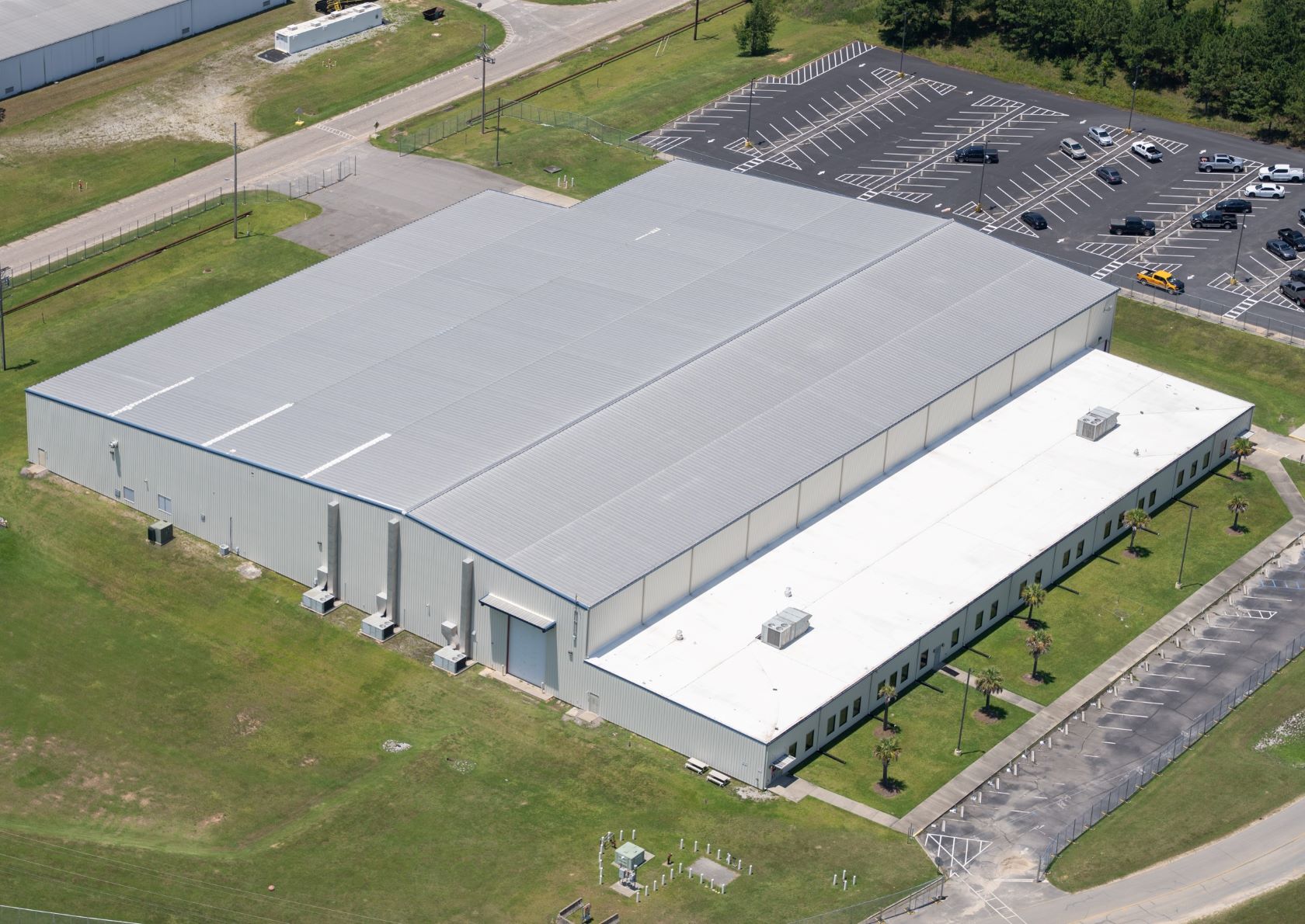
Under NNSA direction, SRNS is self-performing the HFTOC design scope and using an alternate HFTOC construction strategy.
“SRNS subcontractor Enercon has completed the 90% HFTOC design, and SRNS has issued a Limited Notice to Proceed to subcontractor Kiewit to begin site prep for the HFTOC,” said Brian Pool, SRNS HFTOC Project Director. “SRNS also is expediting our procurement and fabrication strategy for HFTOC gloveboxes and long-lead items.”
The HFTOC early construction scope includes the initial stages of construction, such as planning, permits, and site preparation activities involving replacement of the existing concrete flooring and other internal and external building modifications.
Once construction of the HFTOC is complete, projected in the late 2020s, it will be a non-nuclear environment used to train SRPPF operations personnel and provide hands-on experience with simulated radiological controls.
The majority of plutonium pits for the nation will be manufactured at SRS in the SRPPF Main Process Building, a 400,000-square-foot Hazard Category-2 facility that is forecasted for construction completion and turnover to operations in the 2030s.
Equipment in the HFTOC will mimic the setup of the SRPPF Main Process Building. Operators will train and develop competencies and skills in the HFTOC before transitioning to the SRPPF.
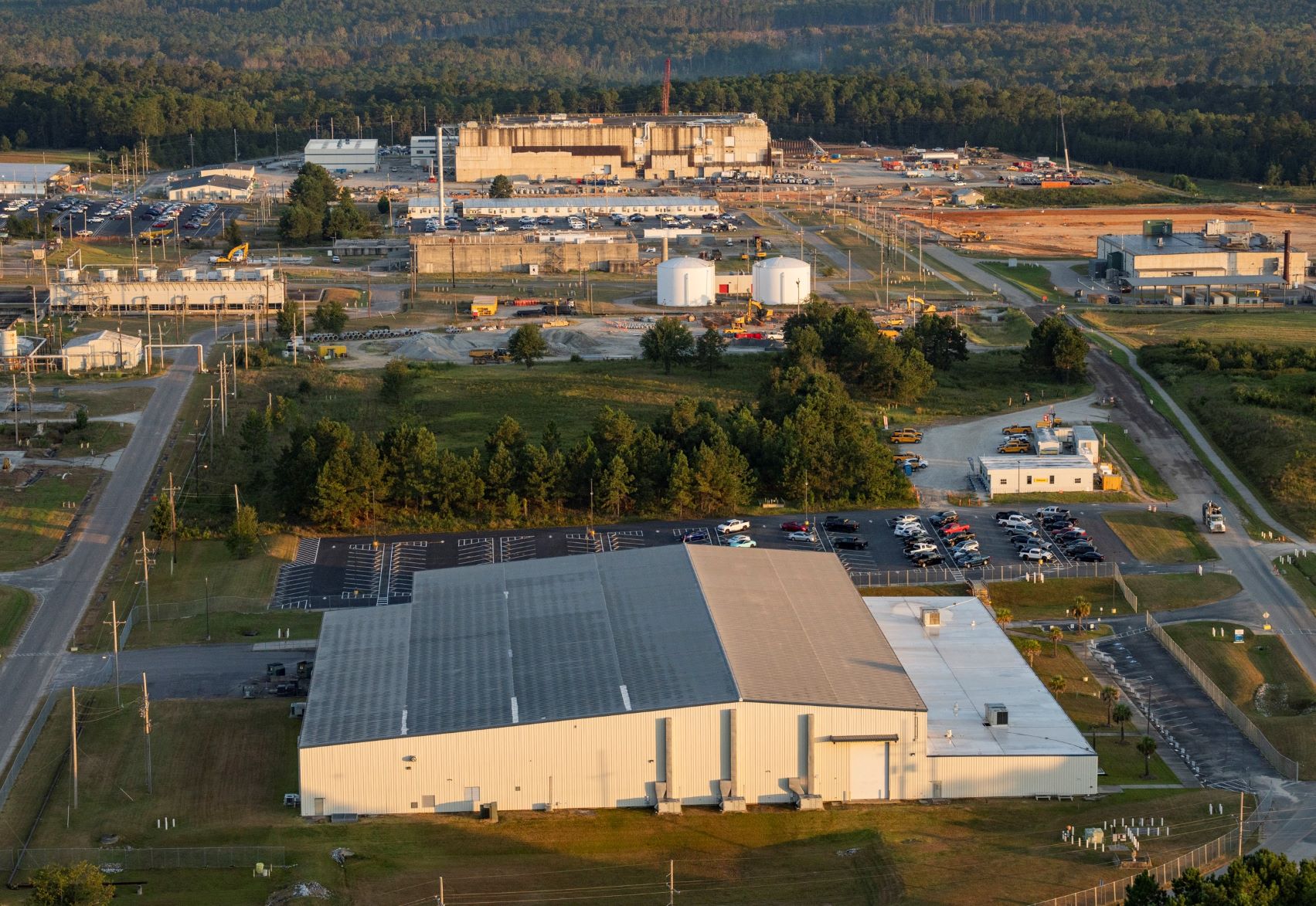
“The challenge in front of the SRPPF mission is to deliver the First Production Unit as quickly as possible and urgently ramp up to meet the nation’s stockpile needs by reaching rate production,” said Lee Sims, SRNS Senior Vice President, Plutonium Operations and Programs. “The HFTOC facility will accelerate these efforts for NNSA by providing a non-radiological replica of core SRPPF process operations that facilitate training and readiness activities needed for the mission.”
More than 4,000 craft and staff employees are expected to support construction during the life of the SRPPF Project. To support workforce needs, SRNS signed a Project Labor Agreement with the Augusta Building and Construction Trades Council.
Once the construction of SRPPF is complete, the enduring pit production mission at SRS will employ at least 2,000 people.
SRPPF is part of the NNSA’s two-site solution to produce no fewer than 80 plutonium pits per year in accordance with federal law. The pits will be produced at facilities at SRS and Los Alamos National Laboratory in New Mexico.
Established by Congress in 2000, NNSA is a semi-autonomous agency within the U.S. Department of Energy responsible for enhancing national security through the military application of nuclear science. NNSA maintains and enhances the safety, security, and effectiveness of the U.S. nuclear weapons stockpile; works to reduce the global danger from weapons of mass destruction; provides the U.S. Navy with safe and militarily effective nuclear propulsion; and responds to nuclear and radiological emergencies in the U.S. and abroad.
Savannah River Nuclear Solutions, a Fluor and HII partnership company, is responsible for the management and operations of the Department of Energy’s Savannah River Site, located near Aiken, South Carolina.
SRNS-2025-1699