

AIKEN, S.C. – Savannah River Nuclear Solutions (SRNS) is embracing a transformative approach to accelerate non-nuclear, non-complex construction projects at the Savannah River Site (SRS). SRNS is implementing commercial requirements paired with Occupational Safety and Health Administration (OSHA)+ safety standards. This strategic shift marks a critical modernization effort designed to ensure cost-effective, timely project delivery without compromising safety or mission readiness.
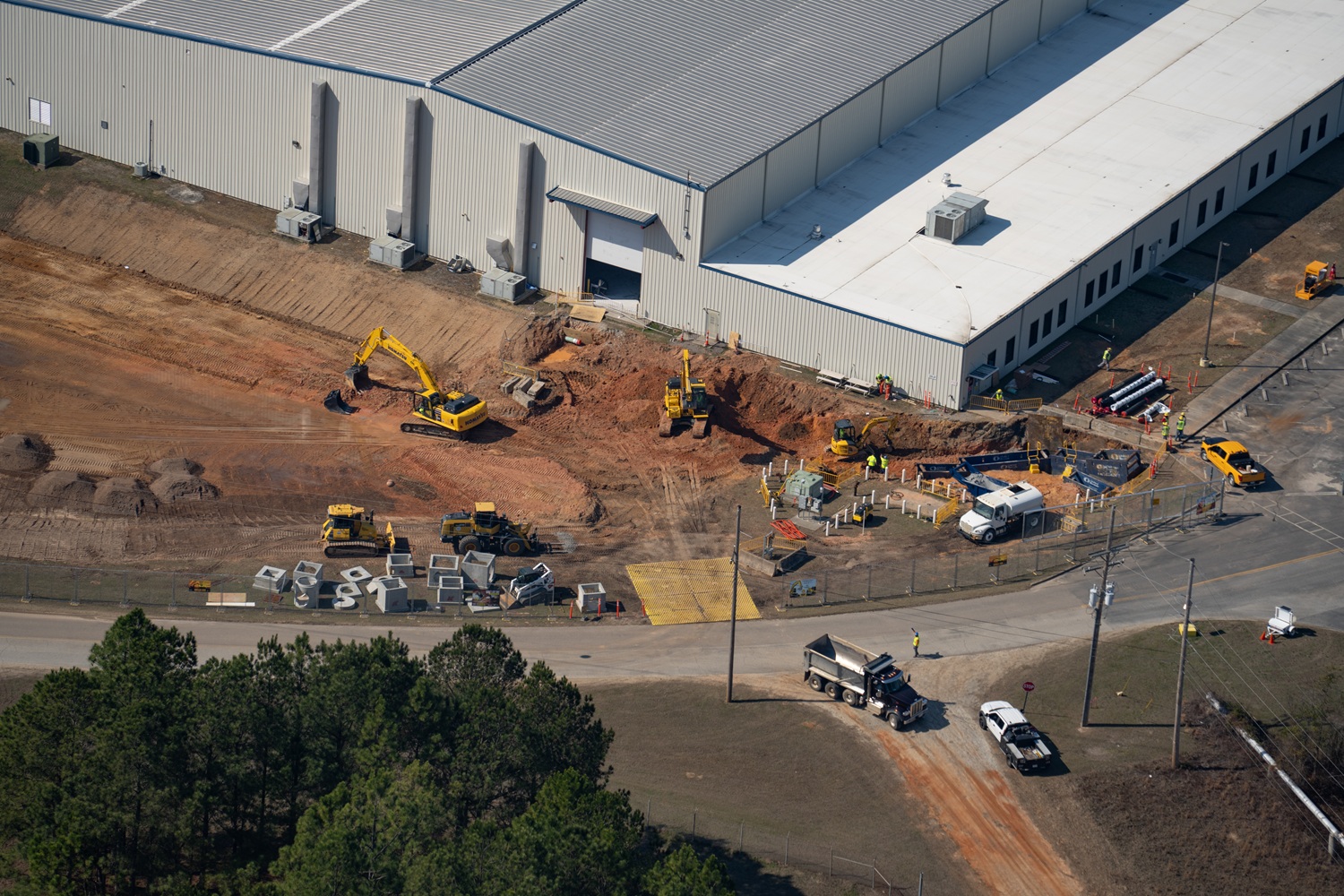
As SRS faces an era of unprecedented mission demand to support National Nuclear Security Administration (NNSA) priorities, this streamlined design and construction model allows SRNS to better align its non-nuclear activities with the Nuclear Security Enterprise.
“We must adopt commercial standards whenever possible to deliver for our nation,” said Jim Dawkins, SRNS Executive Vice President and Chief Operations Officer. “Moreover, an increased sense of urgency at SRNS is required to ensure we return to a Nuclear Security Enterprise that prioritizes production in order to meet our nation’s nuclear deterrence requirements.”
Modernized Delivery Framework
SRNS is piloting the commercial approach in alignment with the enterprise-wide initiative to transition non-nuclear, non-complex projects, to a strategy that better supports a sense of urgency. By implementing a commercial approach to projects such as warehouses and administrative buildings, SRNS will embrace a new delivery framework that tailors the requirements of DOE Order 420.1C, Facility Safety into OSHA+.
OSHA+ is a NNSA-specific compliance tool for construction projects that simplifies requirements in early-stage procurement documents, making it easier for contractors to understand and meet their obligations. Contractors building these facilities will no longer be required to follow mishap-prevention measures intended for radioactive material handling or industrial hazards that are not relevant to their scope of work.
“By designing requirements to suit the facility’s purpose and scope, SRNS is achieving greater efficiency and reducing costs for subcontractors,” said Tim Bolen, SRNS Senior Vice President, Chief Engineer and Nuclear Safety Officer. “This transition also makes SRS projects more appealing to a broader range of subcontractors, removing traditionally burdensome roadblocks. It also provides subcontractors with bidding packages written in industry-standard language, ensuring competitive pricing for projects.”
Jay Johnson, SRNS Senior Deputy Vice President, Business Services, and Chief Contracting Officer, added, “SRNS remains focused on maintaining its credibility as a forward-thinking, cost-conscious steward of taxpayer resources. By adopting a concise, focused bid process, we are cutting through the red tape that has traditionally discouraged contractors from working with SRS. Our goal is to provide requirements that are relevant to the subcontractor’s scope of work, not overwhelm them with unnecessary conditions.”
HFTOC: A Pilot for Applying Commercial Standards
A prime example of this shift is the High-Fidelity Training and Operations Center (HFTOC), which will be used to accelerate the re-establishment of large-scale plutonium pit manufacturing in the United States. Originally subject to nuclear-grade requirements, SRNS reevaluated the HFTOC’s design and execution to align with commercial standards. These updates were made in partnership with the NNSA to pilot cost-saving measures for facilities no different from commercial facilities but traditionally subjected to stringent nuclear-grade procedures.
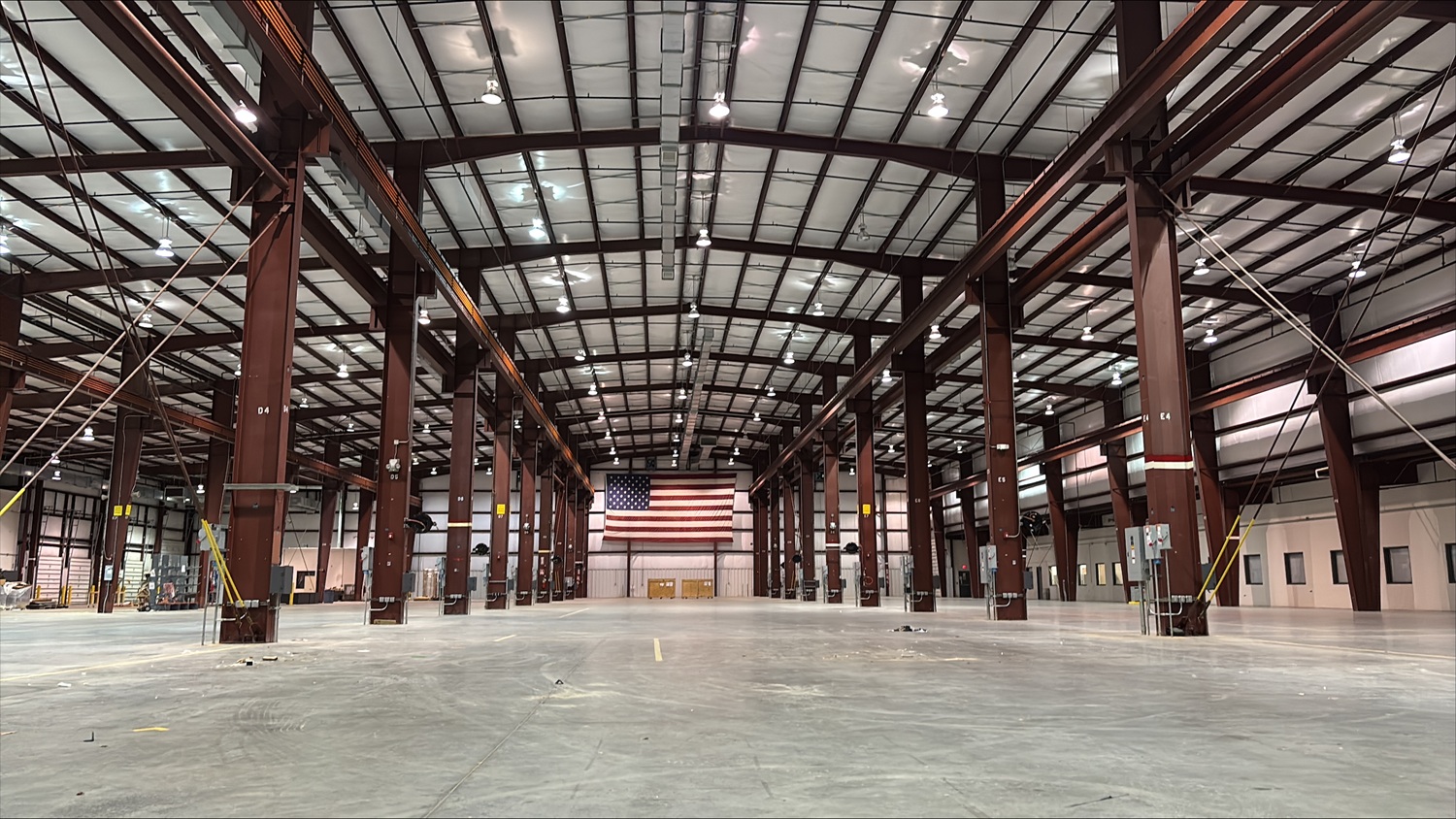
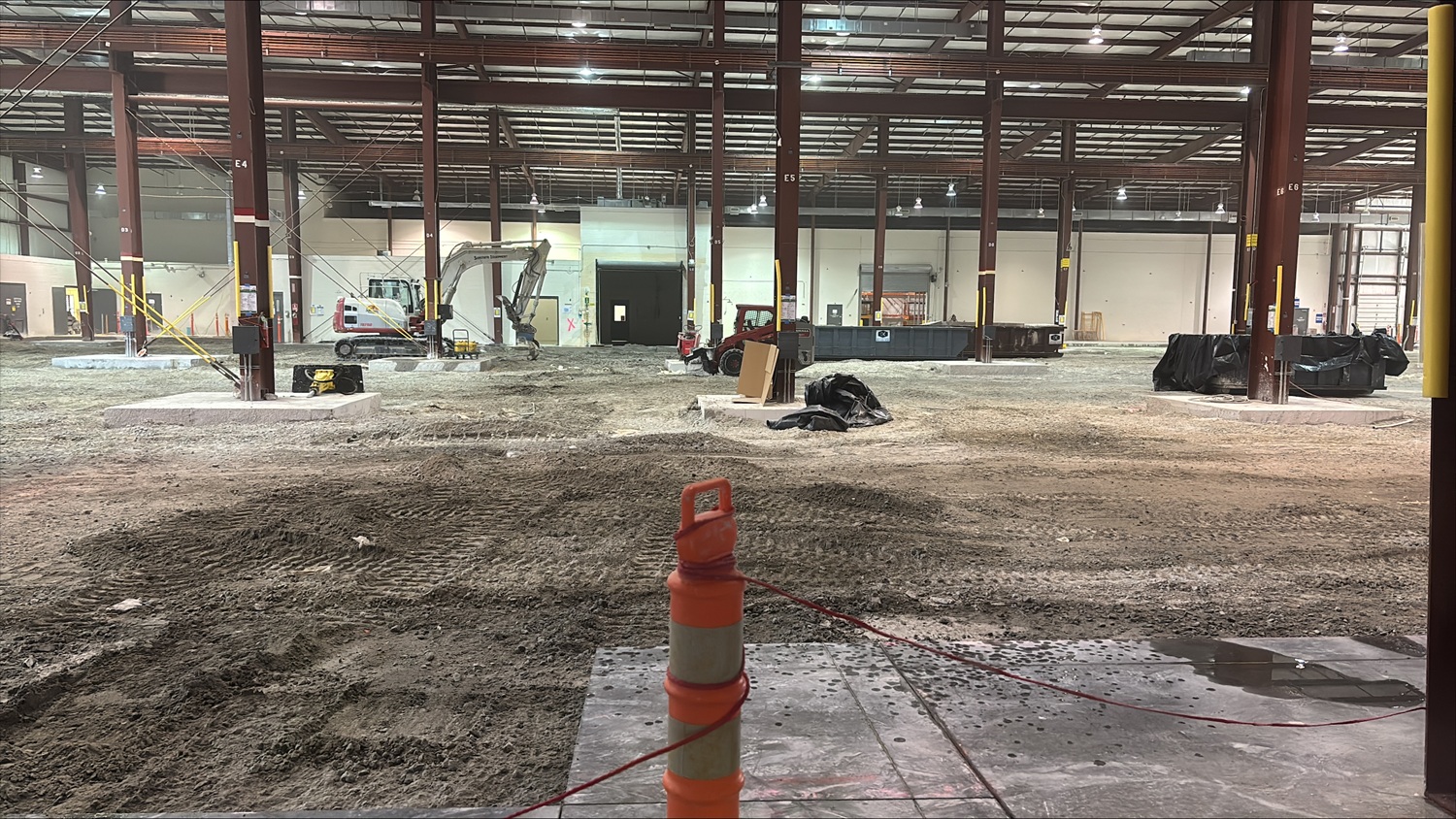
Changes included eliminating unnecessary witness and hold points, such as oversight during fabrication processes, and tailoring requirements to match commercial standards. In one instance, the procurement of HVAC equipment for the HFTOC significantly cut costs by opening bidding to more fabricators and adjusting requirements to align with standard commercial equipment.
“By adopting this model, SRNS will achieve an overall cost reduction and position the HFTOC project to meet critical mission training objectives for SRPPF, on time and within budget. This level of flexibility was not available to SRNS in the past,” said Brian Pool, HFTOC Project Director, SRNS SRPPF Project Execution. “By targeting commercial standards where appropriate, we’ve been able to increase industry competition and drive significant project savings without compromising quality, safety or operational readiness.”
NNSA recently announced approval of Critical Decision (CD)-2/3 for the HFTOC, which will be a pit production training facility for the Savannah River Plutonium Processing Facility (SRPPF), authorizing SRNS and its subcontractors to proceed with the full construction of the HFTOC. The current 103,000-square-foot HFTOC structure will be transformed into a non-nuclear training facility for SRPPF personnel and provide hands-on experience with simulated radiological controls. Forecasted for construction completion by 2028, the structure’s modifications include demolition work, installation of process training equipment, and new ventilation, gas and electrical systems.
Future non-nuclear facilities such as administrative buildings, warehouses, and shops are expected to generate similar cost and time efficiencies using this method. By eliminating nuclear-grade oversight during procurement, using commercial engineering standards, and refining scope, SRNS is setting a new precedent for non-nuclear construction projects.
Savannah River Nuclear Solutions, a Fluor and HII partnership company, is responsible for the management and operations of the Department of Energy’s Savannah River Site, located near Aiken, South Carolina.
Established by Congress in 2000, NNSA is a semi-autonomous agency within the U.S. Department of Energy responsible for enhancing national security through the military application of nuclear science. NNSA maintains and enhances the safety, security, and effectiveness of the U.S. nuclear weapons stockpile; works to reduce the global danger from weapons of mass destruction; provides the U.S. Navy with safe and militarily effective nuclear propulsion; and responds to nuclear and radiological emergencies in the U.S. and abroad.
SRNS-2026-1718