


Environmental Stewardship
SRS is dedicated to advancing environmental stewardship by adhering to all state and federal regulations. Our mission prioritizes the safety and well-being of workers, the public, and the environment, while fostering a culture of compliance, sustainability, and accountability in all site activities.
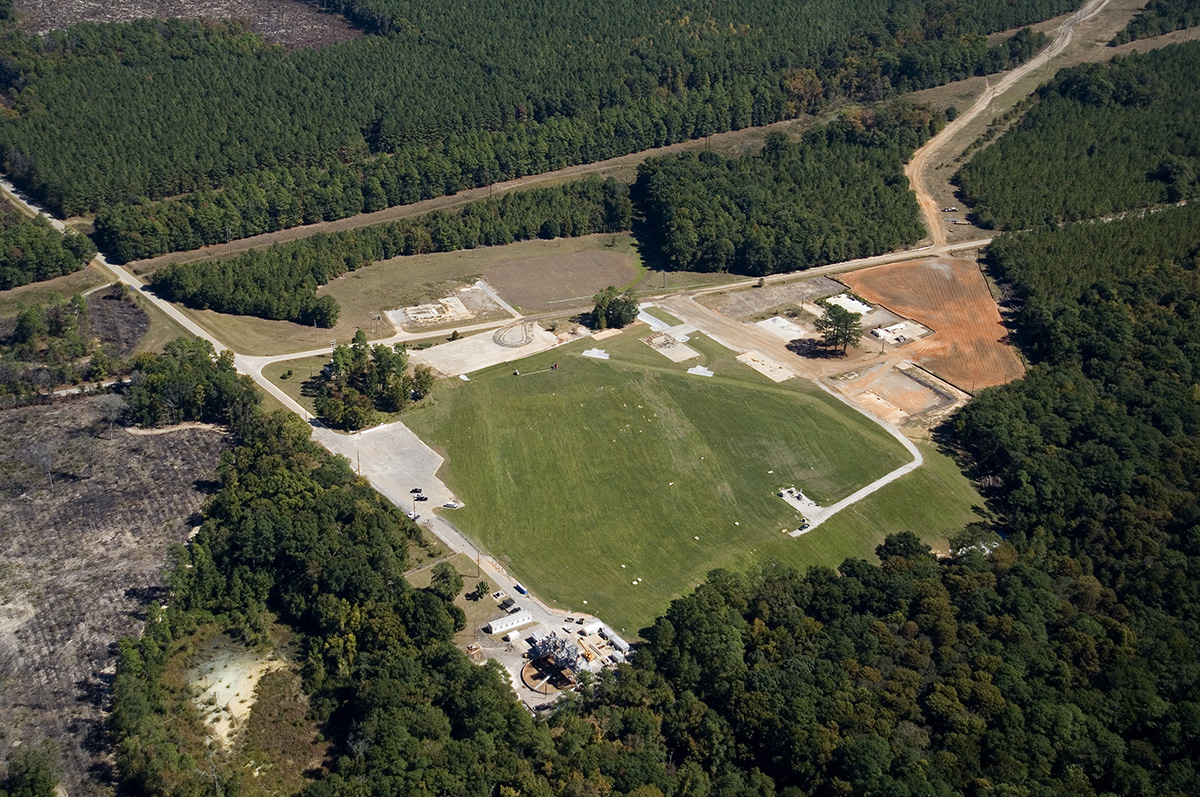
The Area Completion Projects (ACP) team is dedicated to safeguarding the environment through the remediation of waste units, surface water, and groundwater at the Savannah River Site (SRS).
With a focus on reducing risks to human health and the environment, ACP employs effective management, strategic collaboration with regulators, and innovative, cost-efficient technologies to achieve the Site’s environmental restoration goals efficiently and responsibly.
ACP is responsible for the cleanup of waste sites and the deactivation and decommissioning of facilities across SRS. By providing a comprehensive and streamlined approach, ACP ensures regulatory compliance while leading the safe deactivation and decommissioning of inactive waste sites and groundwater restoration.
ACP’s success is guided by its unwavering commitment to safety and resource protection while sustaining high-performing teams and prioritizing strategic planning. Together, these principles enable ACP to fulfill its mission of advancing environmental restoration at SRS.
Safety
To maintain its strong safety performance, SRS promotes active participation in the Site’s Behavior-Based Safety (BBS) program. Personnel are encouraged to apply the STAR principles—Stop, Think, Act, and Review—when performing tasks where safety is a concern. By fostering a collaborative, team-oriented approach, SRS ensures a safe workplace and cultivates a robust safety culture that prioritizes the well-being of its workforce.
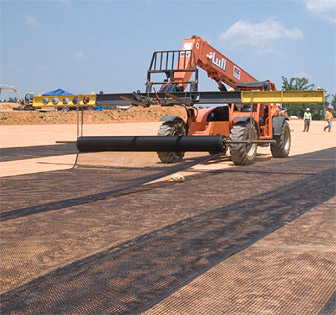
old Radioactive Waste Burial Ground
Reducing the Footprint
ACP is committed to reducing the footprint of legacy waste at SRS by addressing contaminated waste sites and decommissioning obsolete facilities. For soil and groundwater cleanup, ACP focuses on treating or immobilizing contamination at its source and mitigating the spread of contaminants. Cleanup efforts range from capping waste sites to installing advanced groundwater treatment units, with fieldwork prioritized to close inactive seepage basins, rubble pits, rubble piles, and disposal facilities.
Comprehensive groundwater cleanup systems are operational in the A/M, C, F, H, and T areas, as well as at key locations such as the Mixed Waste Management Facility; the Chemical, Metals, and Pesticides Pits; and the sanitary landfill.
In facility deactivation efforts, ACP safely removes risks such as hazardous and radioactive waste, nuclear materials, and contaminated media. Facilities are brought to a “cold and dark” condition, paving the way for the decommissioning of industrial, radiological, and nuclear facilities.
Technology Deployment
Environmental remediation and facility decommissioning at SRS are being conducted systematically, area by area. Where waste is left in place, institutional controls such as access restrictions, inspections, maintenance, and long-term monitoring will ensure ongoing safety. Soil remediation is designed to reduce residual risk to acceptable levels for industrial workers, while groundwater cleanup will meet regulator-approved standards over time.
Innovative, cost-effective technologies are at the forefront of SRS remediation efforts, enhancing cleanup efficiency and minimizing risk across the Site. Natural remediation technologies play a key role, including phytoremediation (using plants to absorb contaminants) and bioremediation (using microbes to break down pollutants). These solutions not only reduce costs but also represent effective, sustainable approaches to protecting human health and the environment.
Project Management and Strategy
Effective project management hinges on the careful development and control of project scope, schedule, and costs. At SRS, an Area Completion Strategy is being employed to better facilitate site-wide cleanup efforts by addressing entire areas systematically. This approach has already been successfully applied in T, M, P, and R Areas and is now advancing restoration activities in D area. Core strategies for environmental restoration include:
- Accelerating the cleanup of high-risk waste sites to protect workers, the public, and the environment.
- Implementing an Area Completion Strategy to achieve closure for entire site areas efficiently.
- Deploying cost-effective technologies and natural remedies to address contamination sustainably.
- Maintaining an accurate, approved documented baseline of scope, schedule, and costs, using a formal change control process to ensure accountability and transparency.
By integrating these strategies, SRS ensures a streamlined and cost-efficient approach to environmental restoration while upholding its commitment to safety, regulatory compliance, and long-term site stewardship.
Regulatory Communications
SRS works closely with the U.S. Environmental Protection Agency – Region 4 (EPA-4) and the South Carolina Department of Environmental Services (SCDES) to reduce risk and accelerate environmental cleanup efforts.
Environmental cleanup at SRS is guided by two major federal laws:
- The Resource Conservation and Recovery Act (RCRA): Establishes a system for tracking and managing hazardous waste from generation to disposal.
- The Comprehensive Environmental Response, Compensation, and Liability Act (CERCLA): Addresses the cleanup of hazardous substance releases to protect the environment.
SRS complies with the integrated requirements of these laws through a Federal Facility Agreement (FFA) between the U.S. Department of Energy (DOE), EPA-4, and SCDES. Established on August 16, 1993, the FFA outlines how SRS will address contamination or potential contamination at waste sites while adhering to RCRA and CERCLA requirements. By involving federal and state regulators in cleanup decisions, the FFA ensures transparency, accountability, and regulatory compliance throughout the cleanup process.
Using the Area Completion Strategy approach, SRS collaborates with EPA-4 and SCDES through the Core Team process. This streamlined approach enhances communication, fosters early problem-solving, and accelerates the development of CERCLA documentation—ultimately improving cleanup efficiency.
In 2003, the parties further strengthened their commitment to expedited cleanup by signing a Memorandum of Agreement (MOA). This agreement paved the way for a Comprehensive Cleanup Plan, a Program Performance Management Plan, and an End State Vision encompassing inactive waste sites and facilities slated for decommissioning that represent potential environmental hazards.
Public Involvement
SRS values open communication and collaboration with its stakeholders. In addition to maintaining strong relationships with regulators, SRS actively engages with public stakeholders, including the SRS Citizens Advisory Board (CAB).
Stakeholder involvement is a key part of the cleanup process. Once a waste site is characterized, cleanup alternatives are evaluated, and a preferred method is proposed, SRS solicits public feedback. Representatives from the media, legislators, educators, and local citizens are invited to provide input during the public comment period. The CAB, an appointed group of citizens, also offers recommendations to DOE, EPA-4, and SCDES regarding cleanup activities.
After all stakeholder comments are reviewed and considered, a Record of Decision is issued, documenting the selected remediation approach. Throughout the process, DOE regularly briefs CAB committees on ongoing cleanup projects, upcoming decisions, and programmatic activities conducted under the FFA and RCRA permits.
By fostering transparency, SRS ensures its cleanup efforts align with the expectations and concerns of both regulators and the broader public. The CAB’s recommendations enhance decision-making and reinforce SRS’ commitment to collaboration and accountability.